
12 Best Movies Like The Thing to Watch Next (2026)
Find creature features, alien threats, isolated crews, and identity horror among these movies with specific story connections to The Thing.
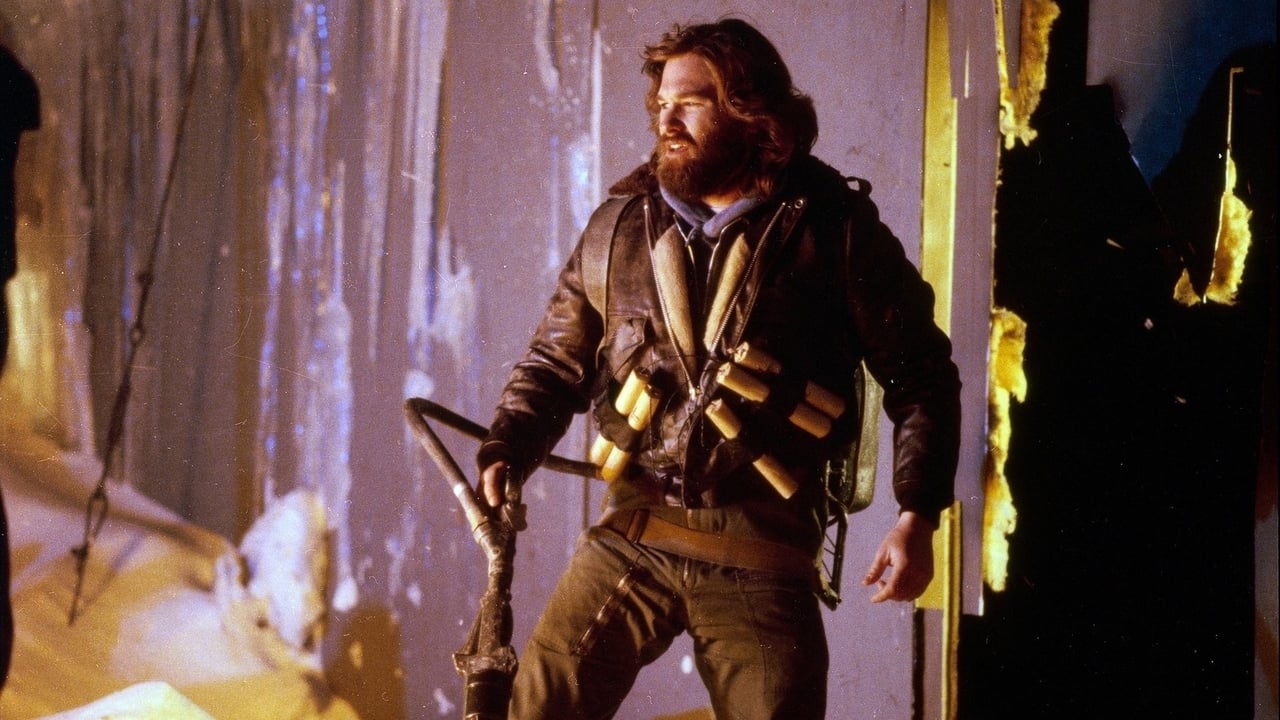
If the appeal of The Thing is an inhuman threat disrupting ordinary life, these picks follow that idea in different directions: aliens descend on a city, a research crew faces nightmares in space, and people confront possession, transformation, or unsettling changes in perception.
The connections here are specific to each film’s premise or, where reviews provide support, its tone and atmosphere. Some lean toward creature horror; others trade Antarctic isolation for a station, mansion, or town.
Quick picks
For an isolated crew
A spaceship crew encounters a strange force that makes their darkest nightmares real.
For an alien creature
A gelatinous life form threatens a town, putting survival against an inhuman attacker at the center.
For hidden identities
A newswoman enters a rehabilitation center where its inhabitants may not be what they seem.
For strange human abilities
Telepathic powers turn people themselves into the source of a science-fiction horror conflict.
Our picks

Nightbeast (1982)
A creature from outer space crashes in Baltimore and launches a killing spree that escalates across the city.
Why it works: This shifts the alien danger from an Antarctic research station to an urban setting. The shared connection is a hostile extraterrestrial creature, though this premise centers on a citywide killing spree rather than an isolated team.
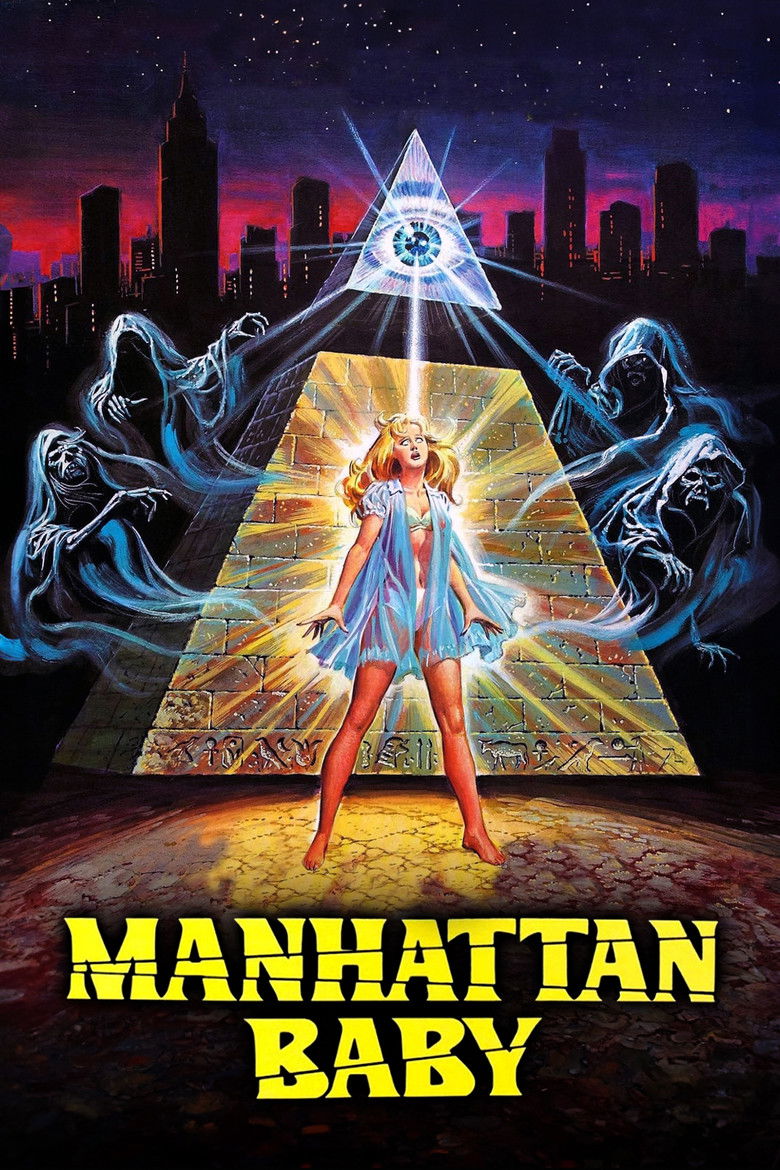
Manhattan Baby (1982)
After an archaeologist opens an Egyptian tomb, an evil spirit possesses his young daughter. Back in New York, gory murders begin.
Why it works: The link is horror built around a threat inhabiting a person: here, possession replaces a shape-shifting alien’s imitation of its victims. It offers a supernatural route into the fear that someone familiar may no longer be themselves.
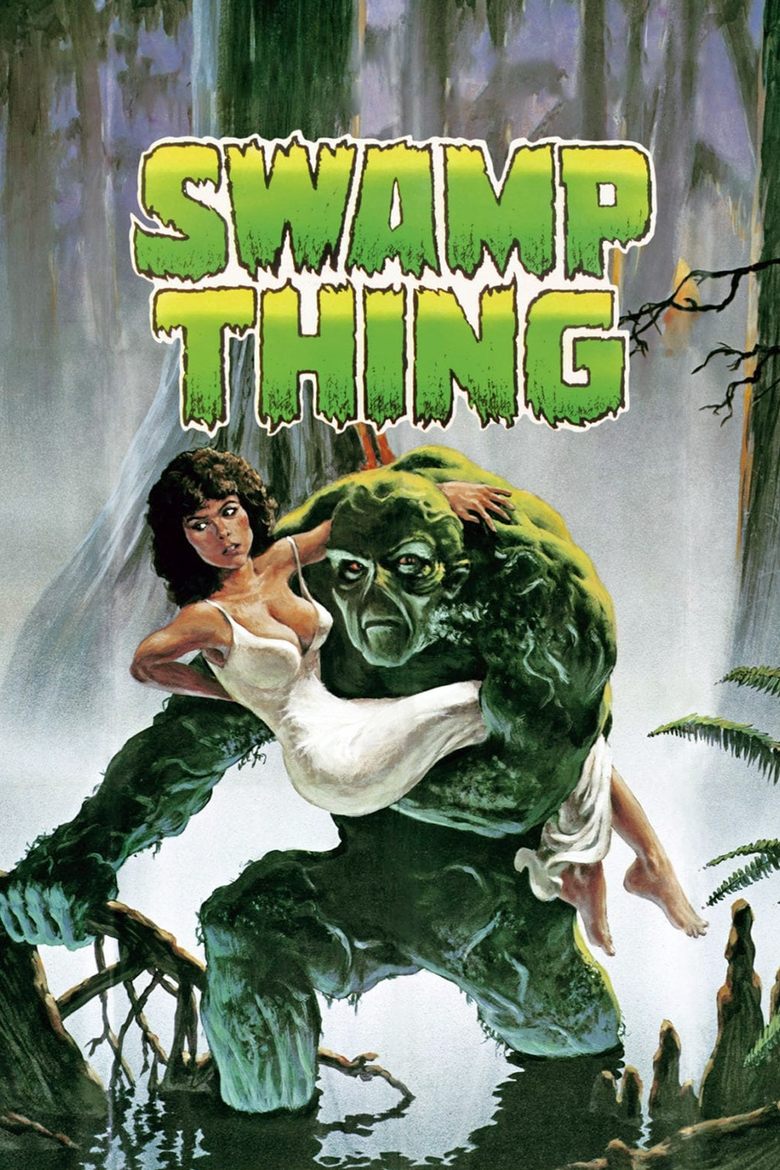
Swamp Thing (1982)
A secret formula transforms Dr. Alec Holland into a half-human, half-plant being, who sets out to rescue government agent Alice Cable and defeat his enemy.
Why it works: Like The Thing, this brings science fiction into creature horror through a human body changed into something other. Its comic-book framing and lighter, camp-oriented approach are a tonal alternative; reviewers describe it as fast-moving, lightweight entertainment best approached as a B-movie.
Keep in mind: The reviews note that some viewers find the creature and transformation effects visibly cheap, while others see charm in their practical look.
Explore: 15 Halloween Movies on Amazon Prime Video (October 2026)
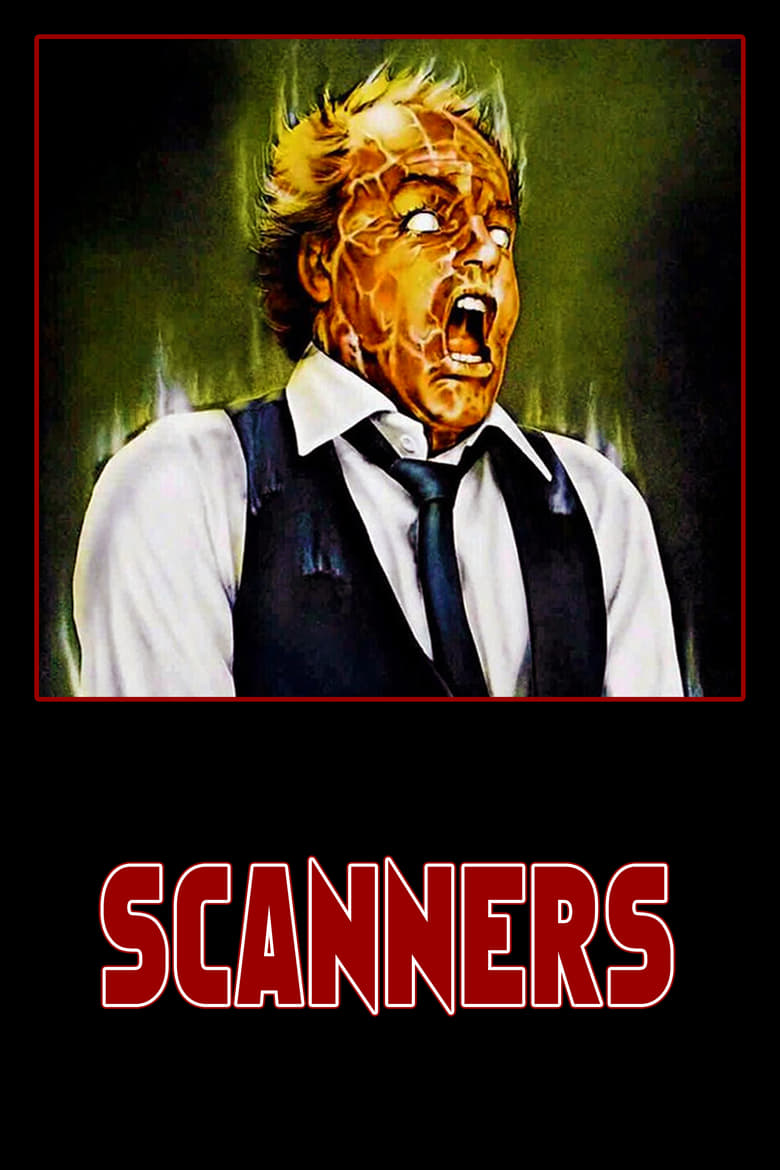
Scanners (1981)
A man with destructive telepathic abilities is captured by agents of a rogue corporation and discovers other people have similar powers, with opposing aims.
Why it works: This trades an alien infiltrator for human beings with frightening abilities. The connection is science-fiction horror that unsettles the boundary between an ordinary person and a dangerous force, with a rogue corporation and divided groups of scanners driving the conflict.
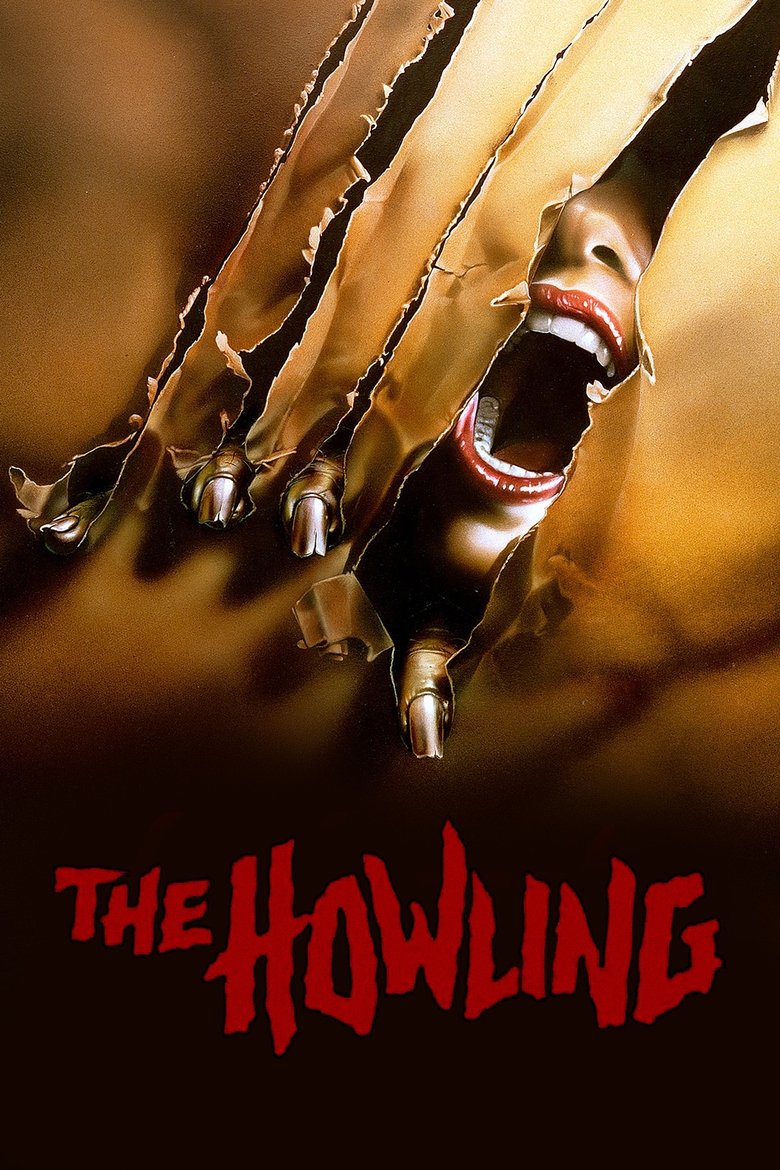
The Howling (1981)
After a near-fatal encounter with a serial killer, a newswoman enters a rehabilitation center whose inhabitants may not be what they seem.
Why it works: The useful overlap is suspicion about who—or what—is hiding behind an apparently familiar face. Instead of a remote Antarctic base, the story places that uncertainty inside a rehabilitation center, where the newswoman must reckon with its inhabitants.

Silent Rage (1982)
After doctors revive a fatally wounded killer with an experimental serum, he gains superhuman strength and a small-town sheriff must pursue him.
Why it works: The connection is a science-fictional threat unleashed among people who have to confront it directly. Here, an experimental revival produces a superhuman killer, and the pursuit belongs to a sheriff rather than an isolated research team.
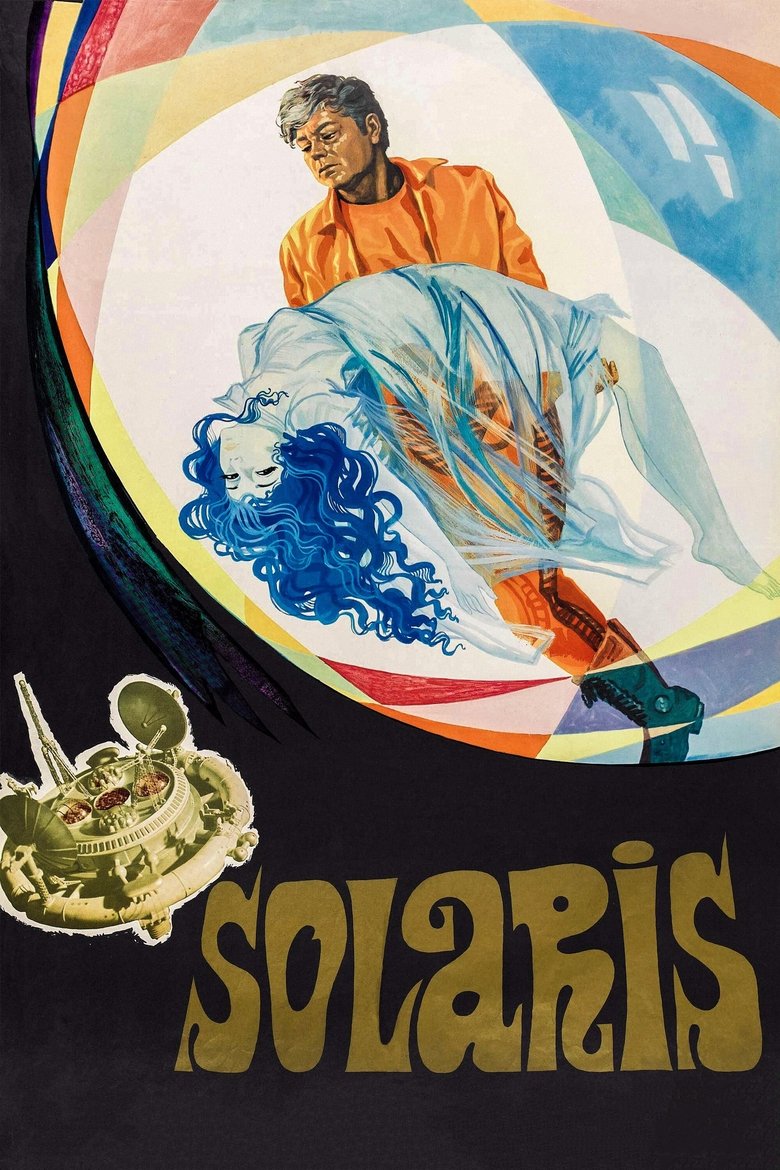
Solaris (1972)
A psychologist sent to a space station investigates a doctor's death and the cosmonauts’ mental problems, then discovers the planet Solaris brings out repressed memories and obsessions.
Why it works: This also places an investigation aboard a space station, but its threat works through memory and the mind rather than bodily imitation. Reviews describe it as philosophical, personal science fiction about love, loss, memory, and the limits of understanding; its deliberately slow, meditative pacing is a marked change of rhythm.
Keep in mind: Reviewers differ on the slow stretches and the story’s ambiguity; some find them difficult or confusing.

Altered States (1980)
A research scientist tests the boundaries of consciousness using sensory deprivation and hallucinogenic mixtures, and finds memory, time, and reality shifting.
Why it works: Both stories bring scientific inquiry into horror, but this one makes altered consciousness its central uncertainty. It is a fit if the unnerving part you want is reality becoming difficult to trust, rather than a creature stalking a group.

Galaxy of Terror (1981)
A spaceship crew encounters a strange pyramid, after which their darkest nightmares begin to come true and they try to escape its influence.
Why it works: For the closest match in setup, this puts a threatened crew aboard a lone spaceship and turns the danger into a fight for survival. Reviewers praise its eerie, claustrophobic atmosphere and brisk succession of gruesome deaths, while noting that the frequent gore can feel excessive.
Keep in mind: Reviews differ on the practical creatures and effects: some call them inventive or effective, while others find them cheesy or unconvincing.

The Blob (1988)
In Arborville, three high school students try to protect their hometown from a gelatinous alien life form that engulfs everything it touches.
Why it works: This is a direct creature-feature connection: an alien organism threatens a community, and people must work to protect themselves from it. The story trades a research team in Antarctica for three teenagers defending their hometown.

Litan (1982)
During Litan’s Day, Nora dreams of her husband’s bizarre death, searches the town to warn him, and encounters increasingly strange events as the couple tries to reach safety.
Why it works: Rather than focus on an alien or a team under attack, this makes a disorienting town the source of danger. The connection is a horror story in which familiar surroundings turn strange and a couple must find a way through escalating threats.

Nightwish (1989)
A professor and four graduate students investigate paranormal activity at a crumbling mansion, where they must battle ghosts, aliens, and satanic entities.
Why it works: The group investigation and hostile, confined setting recall the threatened-team setup, while the mansion replaces the Antarctic outpost. The dangers are multiple supernatural and extraterrestrial entities rather than one shape-shifting creature.
How we chose these picks
Title details and streaming listings come from the WattaWatch catalog. Review-based observations summarize IMDb audience reviews where available; they do not imply a universal verdict or firsthand viewing. Entries without review evidence describe the title’s premise and catalog facts.