
12 Best Movies Like Alien to Watch Next (2026)
Find movies like Alien, from claustrophobic spacecraft survival and alien threats to parasitic body horror and eerie, atmospheric science fiction.
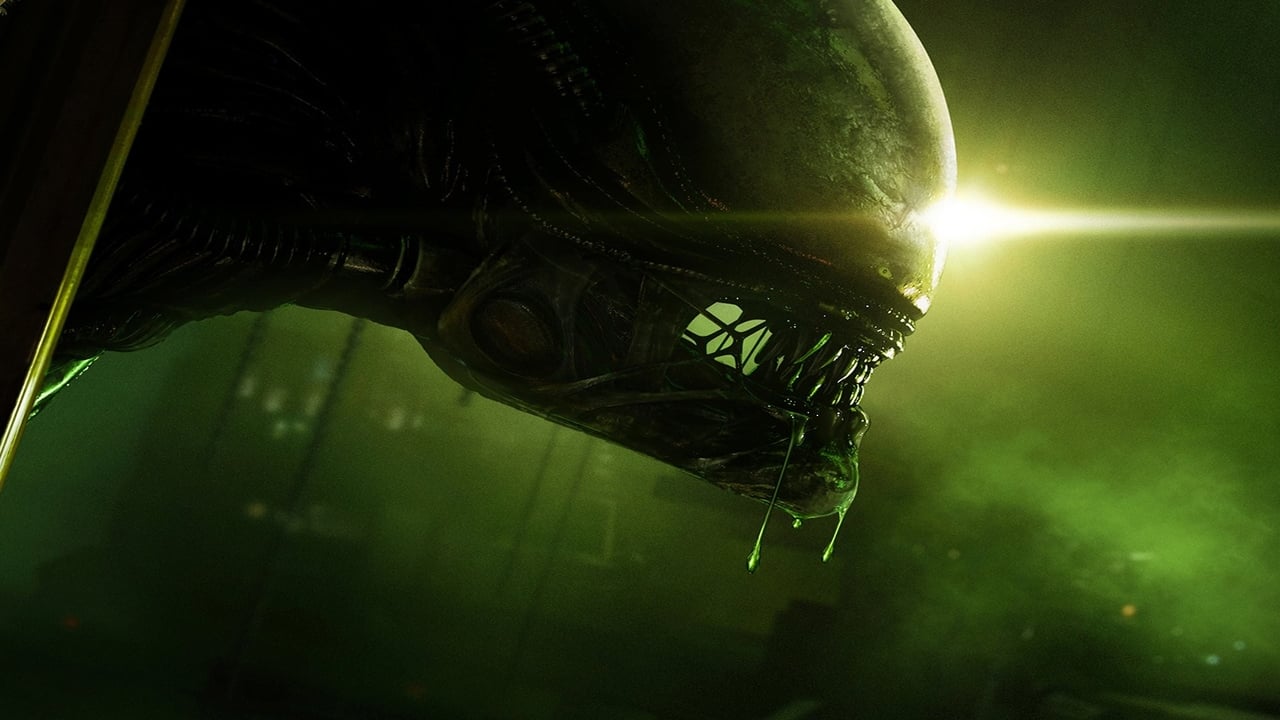
If what you want next is a crew trapped with an unknown life-form, these picks follow that thread through space-station horror, Antarctic paranoia, and parasite-driven body horror. Others take a different route: a philosophical encounter with alien intelligence or a more action-focused return to Alien’s world.
The connections here are specific: shared settings, survival situations, alien or parasitic threats, and—where reviews discuss them—atmosphere, suspense, and character. Some titles lean toward action or surreal horror rather than Alien’s contained spaceship terror.
Quick picks
For another crew facing an alien threat
Young colonists exploring a derelict space station encounter a terrifying life-form.
For Ripley’s next fight
Ripley returns to the Alien threat, now alongside a team of Colonial Marines.
For isolated-crew paranoia
An Antarctic research team is hunted by an alien that can imitate its victims.
For a dark spacecraft mystery
Two waking crew members find danger and unanswered questions aboard an abandoned ship.
Our picks
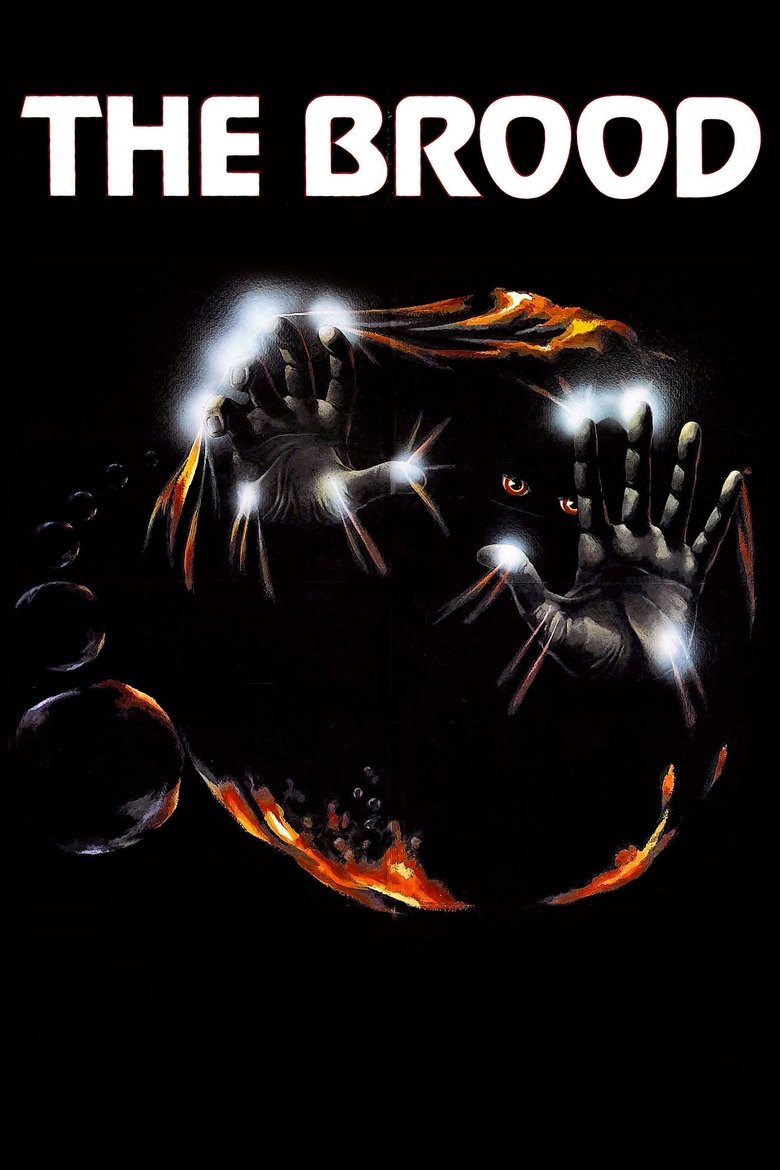
The Brood (1979)
A man investigates an unconventional psychologist’s treatment of his institutionalized wife as brutal attacks by mutant children occur.
Why it works: Choose this for a body-horror connection rather than a spaceship setting: its threat is tied to physical transformation and an unsettling form of reproduction, echoing Alien’s fear of an organism taking root in a host. Reviews describe a grim atmosphere and grotesque imagery, though they differ on how effective the effects are.
Keep in mind: The story centers on therapy and family conflict, not a crew hunted in space.
Explore: 20 Best Sci-Fi Movies on Max 2026

Alien: Romulus (2024)
While scavenging a derelict space station, a group of young space colonists encounters a terrifying life-form.
Why it works: This is the closest setting-and-threat match in the list: a vulnerable group exploring an abandoned structure runs into an alien creature. Reviews note atmospheric suspense and frightening set pieces, while also reporting mixed reactions to the pacing, action, and familiar franchise callbacks.
Keep in mind: Reviewers disagree about whether its callbacks feel satisfying or overused, and some found the opening or final stretch slow.

Star Trek: The Motion Picture (1979)
Captain James T. Kirk returns to command the transformed Enterprise after an unidentified alien destroys three Klingon cruisers.
Why it works: Pick this for the alien-mystery side of science fiction, not for creature-on-a-ship horror. Its story and reviews’ discussion of humanity, creation, and intelligence make the encounter more philosophical than Alien’s survival struggle. Reviewers praise its large-scale effects and score, though some find its solemn pace ponderous.
Keep in mind: Its restrained, serious approach is a marked tonal shift from horror and suspense.
Explore: 12 Best Movies Like Galaxy Quest to Watch Next (2026)

Pandorum (2009)
Two crew members wake on an abandoned spacecraft with no memory of who they are or how long they have been asleep, then discover they are not alone.
Why it works: The shared appeal is a dark, confined spacecraft where the crew’s immediate danger is tangled with an unfolding mystery. Reviews praise the grim production design and some of the suspense, but describe divided responses to the plot’s clarity and the film’s pacing.
Keep in mind: Some reviewers found the darkness difficult to see through, and others considered the story confusing or underdeveloped.

The Black Hole (1979)
The crew of the USS Palomino discovers the supposedly lost USS Cygnus near a black hole, where a mysterious commander and his robot control the ship.
Why it works: Like Alien, it begins with a spacefaring crew encountering a strange, isolated ship; its discovery turns from wonder toward danger as the crew uncovers the commander’s plans. It is a science-fiction adventure rather than a close match for Alien’s horror, and its PG rating marks a different register.
Keep in mind: Its black-hole setting and human antagonist distinguish it from an alien-parasite survival story.
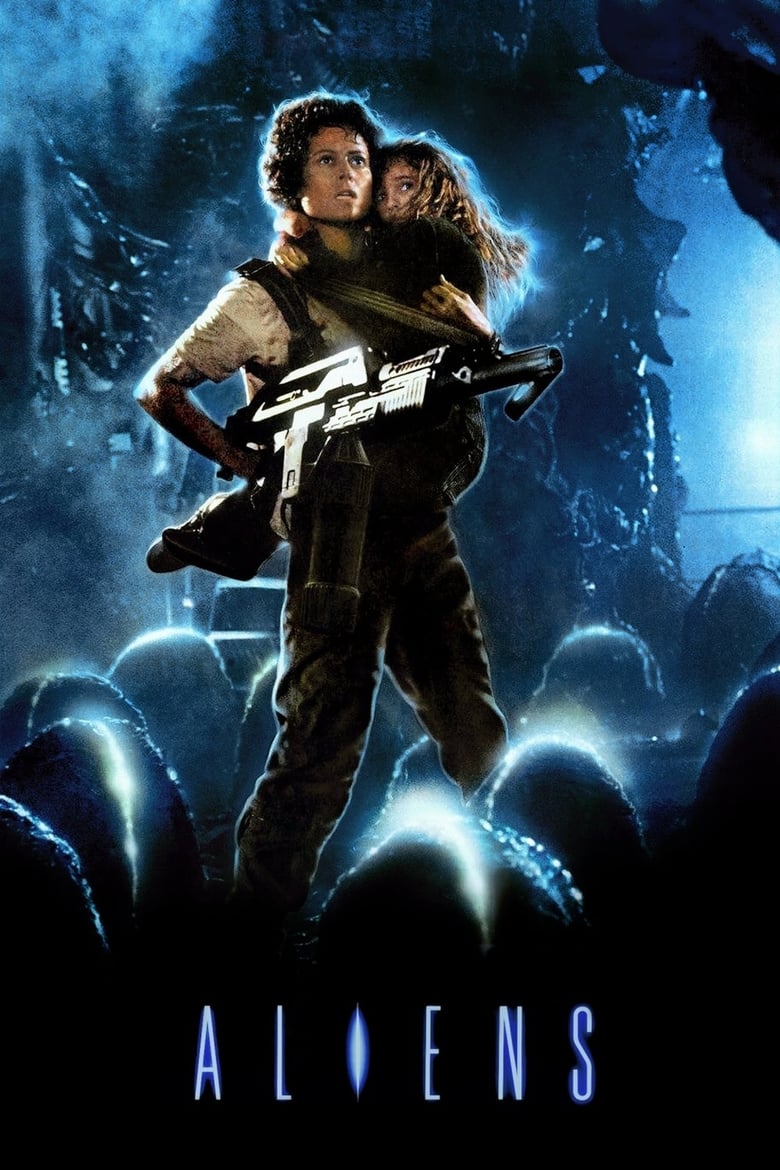
Aliens (1986)
After drifting through space in hypersleep for 57 years, Ripley returns to Earth and agrees to accompany Colonial Marines back to LV-426.
Why it works: For a direct continuation of Ripley’s story, this takes the original survival setup into a team-based mission. Reviews describe a shift toward military action while retaining frightening encounters and suspense; they also single out Ripley’s performance and her bond with Newt as emotional anchors.
Keep in mind: The greater emphasis on combat means less of the quieter, contained horror that defines Alien.

Galaxy of Terror (1981)
A spaceship crew encounters a strange pyramid in space, after which their darkest nightmares begin to come true.
Why it works: This connects through an isolated crew, a strange discovery, and a succession of frightening encounters. Reviews praise its eerie, claustrophobic atmosphere and inventive practical creatures, while noting that the gore and effects can feel excessive or unconvincing.
Keep in mind: Its nightmare-driven pyramid premise differs from Alien’s parasite and creature-on-a-ship setup.
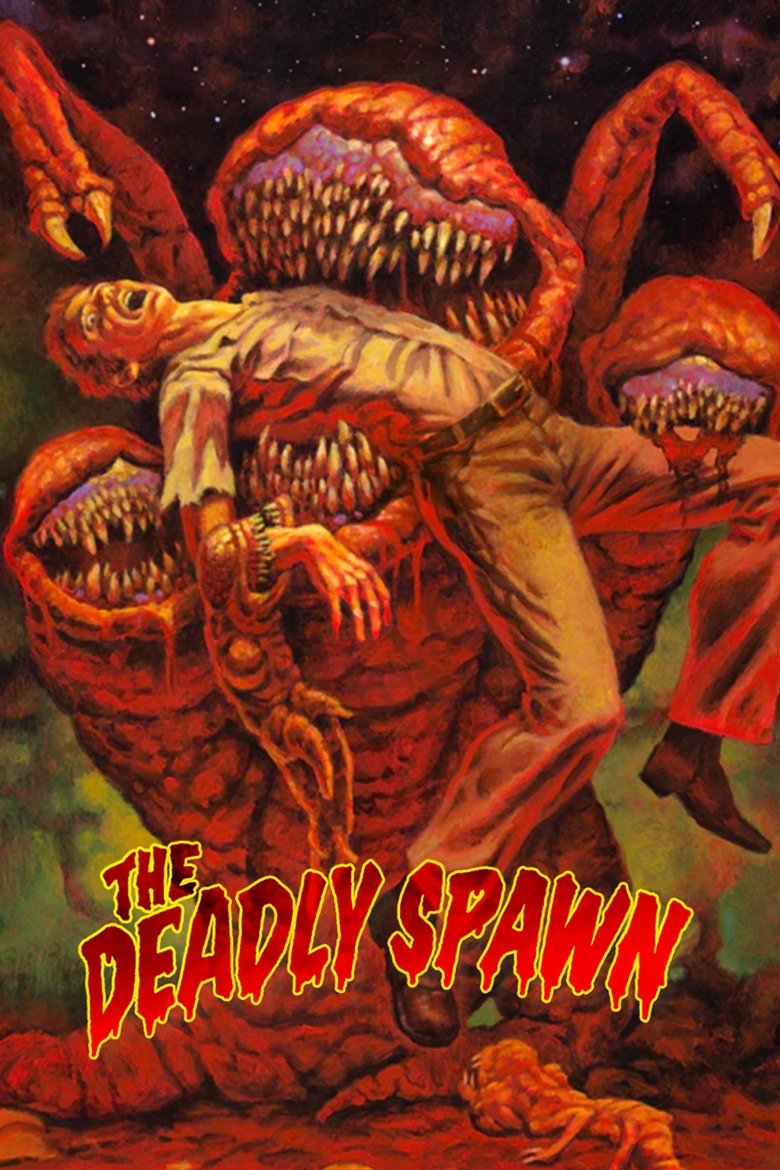
The Deadly Spawn (1983)
After a meteorite lands in the New Jersey woods carrying an alien slug, four teenagers try to stop its brood from consuming life on Earth.
Why it works: For the alien-organism and multiplying-threat angle, this moves the danger from a spaceship to a house and its surroundings. Reviews highlight its handmade creatures and gruesome practical effects, as well as its energetic, old-school monster-movie character; other reactions call out rough production and uneven pacing.
Keep in mind: Its B-movie style and teen-centered setting are a different experience from a tense crew drama.
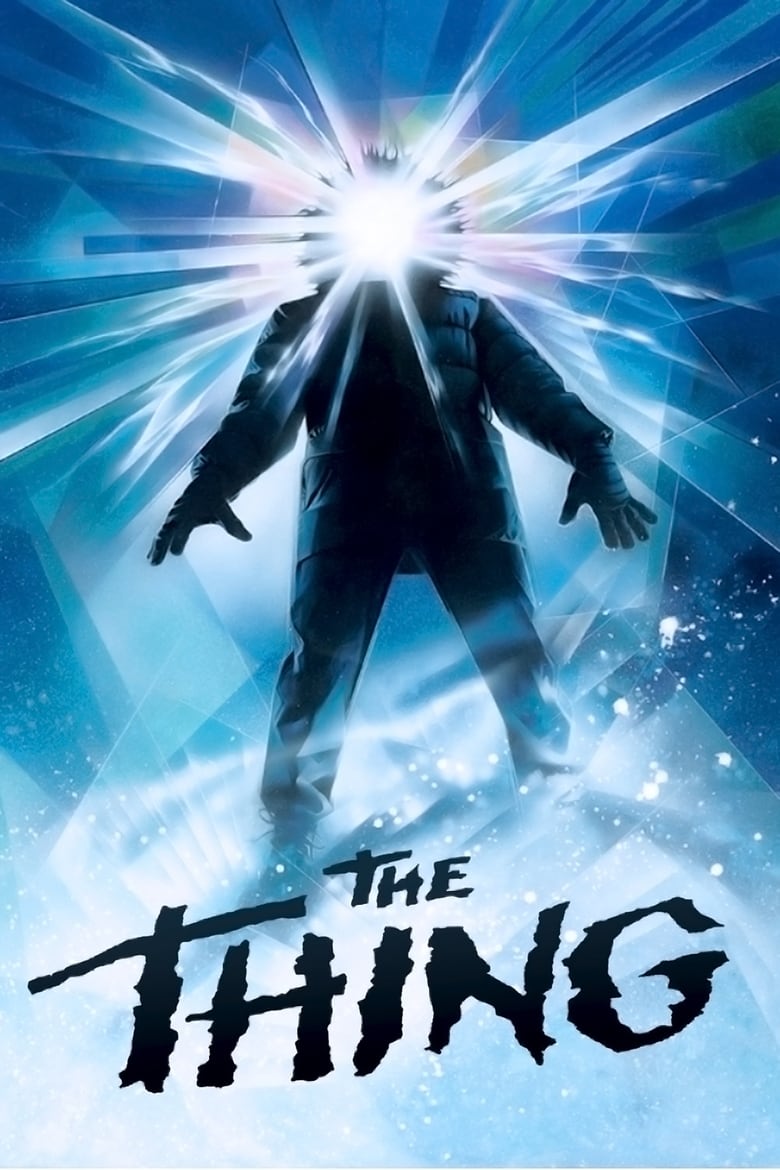
The Thing (1982)
An Antarctic research team is hunted by a shape-shifting alien that takes the appearance of its victims.
Why it works: This is a strong match for isolated-group paranoia: the threat is alien, the setting is remote, and its ability to imitate victims makes trust part of survival. That shifts the tension from Alien’s unseen hunter to uncertainty about who may already be compromised.
Keep in mind: The Antarctic research base replaces the spacecraft, and the alien’s impersonation creates a different kind of suspense.

Shivers (1975)
Parasites infiltrate a luxury apartment complex, transforming residents into violent maniacs, while a doctor tries to contain the outbreak.
Why it works: This is a body-horror connection to Alien’s parasitic threat: an infection spreads among people in a contained environment, turning ordinary residents into the danger. The setting is a residential complex rather than a spacecraft, so the shared thread is invasion and containment, not a stranded crew.
Keep in mind: The catalog premise establishes the parasite outbreak; no review observations are available here to characterize its execution.
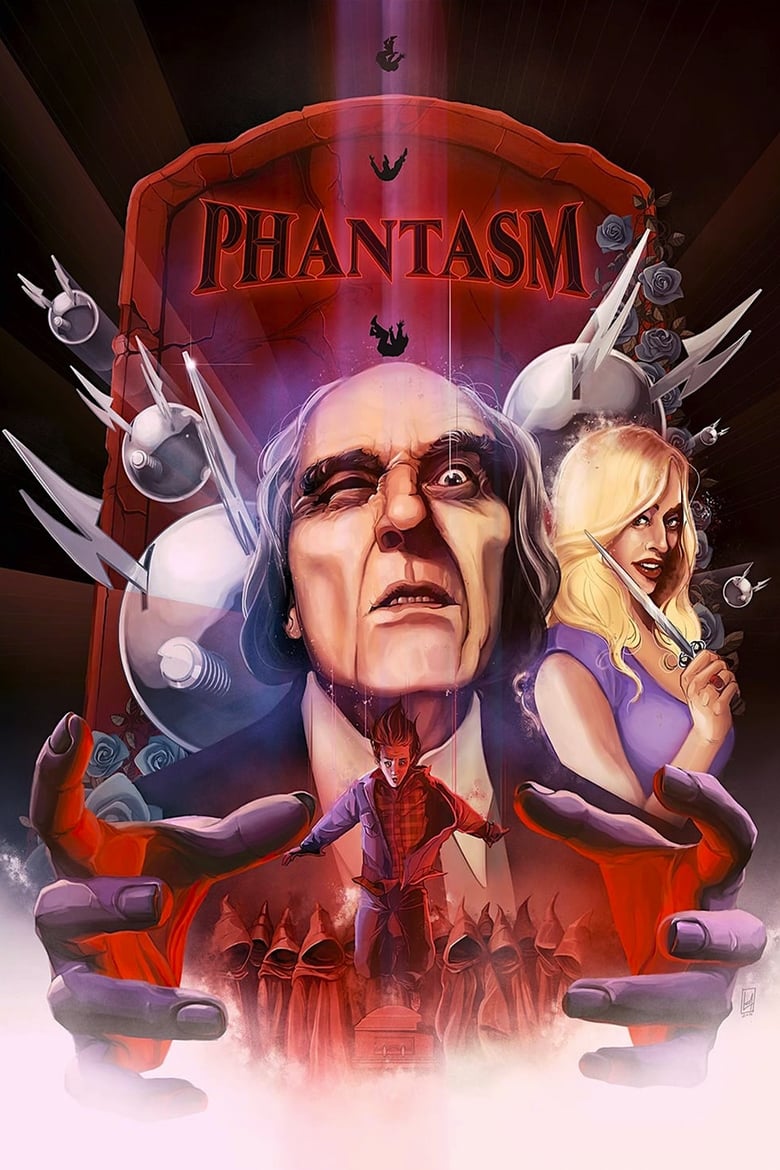
Phantasm (1979)
A teenage boy and his friends confront the Tall Man, a mysterious grave robber armed with unearthly weapons.
Why it works: Consider this for a more dreamlike branch of science-fiction horror: the threat is an uncanny figure with otherworldly weapons rather than an alien organism. Reviews praise its eerie atmosphere and striking imagery, but also describe the story as loosely connected or hard to follow.
Keep in mind: Its surreal turns and limited character development differ from Alien’s focused survival narrative.

Breach (2020)
A mechanic maintaining an interstellar ark carrying survivors from a dying Earth discovers that a shapeshifting alien creature is aboard.
Why it works: The premise directly pairs an interstellar vessel, a crew under threat, and a shapeshifting alien—clear points of connection to Alien’s enclosed-space survival setup. It differs in its ark carrying the last of humanity and its mechanic protagonist. No review observations are available here to assess the film’s tone or execution.
Keep in mind: This connection is based on the stated setup; the supplied information offers no review observations about how it plays out.
How we chose these picks
Title details and streaming listings come from the WattaWatch catalog. Review-based observations summarize IMDb audience reviews where available; they do not imply a universal verdict or firsthand viewing. Entries without review evidence describe the title’s premise and catalog facts.