
12 Best Movies Like Under the Skin to Watch Next (2026)
Explore films with alien outsiders, predatory strangers, unsettling body horror, and slow-building dread for viewers drawn to Under the Skin.

If Under the Skin’s blend of an outsider moving among people, human vulnerability, and horror appeals to you, these picks approach those ideas in different ways. Some make an alien presence literal; others shift the unease to a body in decline, a mysterious newcomer, or a threat seen through a screen. Expect a range from intimate, uncanny premises to more conventional supernatural and invasion stories.
The connections here are specific rather than one-size-fits-all: look for shared ideas of predation, concealed identity, bodily change, or the unease of watching and being watched.
Quick picks
Alien in a human body
An alien soul shares Melanie’s body, making the conflict between an outside presence and a human host central to the story.
Threat through a screen
A woman watching webcam users becomes entangled in violence, shifting the danger of being observed into online spaces.
A dangerous outsider
A mysterious, charming uncle arrives in a family home, and India suspects his motives while growing increasingly infatuated with him.
Our picks
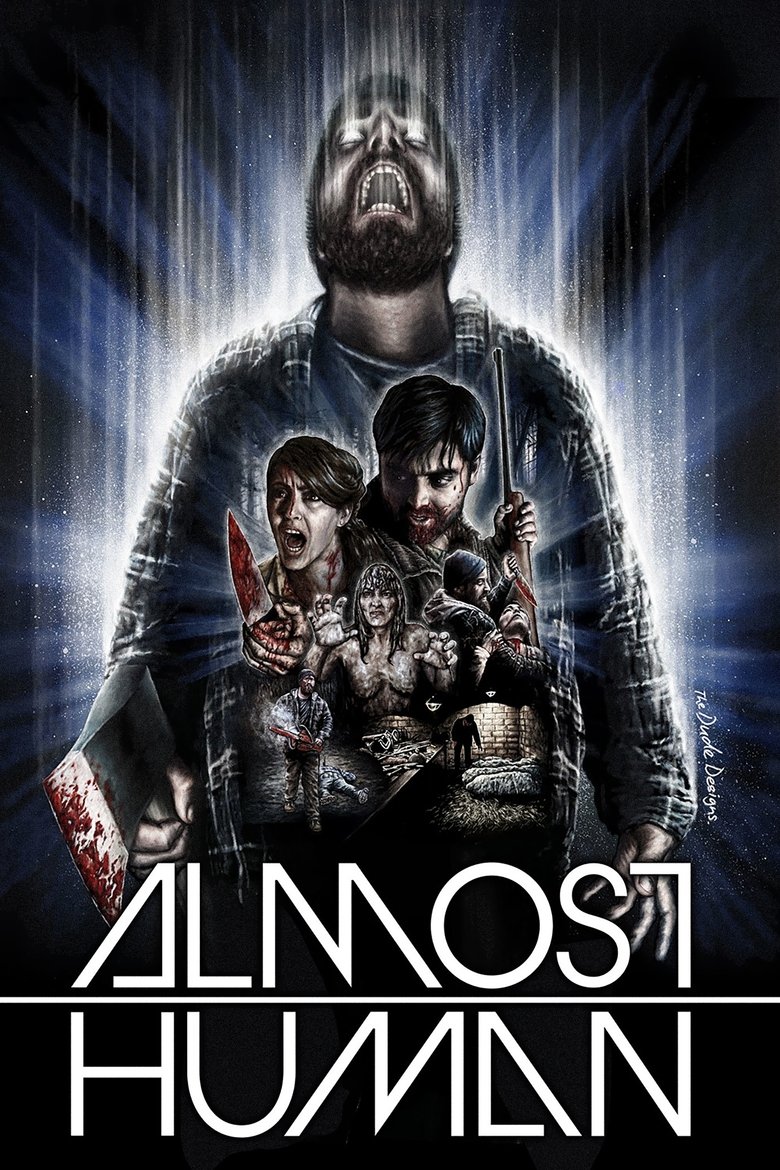
Almost Human (2013)
After Mark Fisher vanishes in a flash of blue light, a series of violent murders leads his friend Seth to believe Mark has returned with something evil inside him.
Why it works: This trades Under the Skin’s stranger stalking individual men for a friend confronting someone changed by an alien presence. Reviews describe a scrappy sci-fi-horror atmosphere and practical gore, though reactions to the violence and the film’s momentum are mixed.
Keep in mind: Reviewers also criticized the thin story and limited character development.

The Host (2013)
An alien soul placed in Melanie Stryder’s body becomes attached to her human host and helps her aid other free humans instead of carrying out its race’s mission.
Why it works: The shared-body premise makes the alien-human relationship more explicit than Under the Skin’s concealed outsider, while keeping identity and belonging at the center. Reviews note that the film leans toward romance, and that its pacing can feel leisurely, especially after the story reaches the human refuge.
Keep in mind: Its romance-first emphasis may not suit viewers looking primarily for invasion suspense.
Explore: 12 Best Movies Like Europa Report to Watch Next (2026)

Final Prayer (2013)
Vatican investigators travel to the British West Country to investigate paranormal activity and encounter events more disturbing than they expected.
Why it works: Instead of following an outsider searching for prey, this sends investigators toward a disturbing presence whose nature they have to confront. That makes it a factual match for viewers interested in the mystery-and-horror side of Under the Skin, though the stories approach their threats differently.
Explore: 12 Best Movies Like WNUF Halloween Special to Watch Next (2026)

The Den (2013)
A woman studying webcam-chat users witnesses a murder online, then finds herself and her loved ones targeted in a nightmare that reaches beyond her apartment.
Why it works: The connection is its perspective on watching: Under the Skin’s stranger observes potential prey in public, while this film makes online observation the route into danger. Reviews describe its webcam presentation as distinctive and sometimes immersive, with gradual escalation that some found tense and unsettling.
Keep in mind: Some reviewers found the screen-based format distracting, and others objected to the later plot turns.

The Canyons (2013)
When an illicit affair is discovered, two young Angelenos are drawn into a violent, sexually charged journey through the darker side of human nature.
Why it works: This moves away from science fiction but keeps the focus on sexuality, danger, and people exposing darker sides of themselves. Some reviews found its neon-lit, decaying Los Angeles atmosphere eerie and stylish, while reactions to its slow-burn pacing and performances varied.
Keep in mind: Reviewers also criticized the dialogue and characterization as stilted or underdeveloped.

The Conjuring (2013)
Paranormal investigators Ed and Lorraine Warren try to help a family terrorized by a dark presence in their farmhouse, confronting a powerful entity in the process.
Why it works: The shared thread is a threatening presence intruding on ordinary human lives, though this story follows investigators and a family rather than a predatory stranger. Reviewers praise its slow-building suspense, frightening scares, and visual and audio craft.
Keep in mind: Some reviews find the haunted-house setup familiar and the final stretch weaker than the buildup.
Explore: 12 Best Movies Like When the Lights Went Out to Watch Next (2026)

Contracted (2013)
A young woman thinks she has contracted an STD, but the illness that follows turns out to be far worse.
Why it works: For a more bodily form of horror, this centers on a woman’s physical transformation rather than an alien’s hidden identity. Reviews describe a gradual, unsettling escalation and single out Najarra Townsend’s portrayal of Samantha’s deterioration, while noting that reactions to the graphic material vary.
Keep in mind: Some reviewers found the early pace sluggish and the plot thin or under-explained.

Against the Night (2017)
A group of friends enter an abandoned prison to film a ghost-hunting video, but begin to disappear one by one.
Why it works: This shifts the threat from a lone predator among unsuspecting men to friends vanishing inside an abandoned prison. The connection is the premise of people entering a situation where a hidden threat turns them into targets; the story’s ghost-hunting setup is otherwise a different route into horror.
Explore: 12 Best Movies Like Wrinkles the Clown to Watch Next (2026)

War of the Worlds (2025)
A Homeland Security analyst who tracks threats through mass surveillance questions what the government is hiding after an unknown entity attacks.
Why it works: Both films place an unfamiliar threat in contact with human observers, but this story filters the encounter through a surveillance program and an analyst investigating possible concealment. Reviews found the screen-based approach initially interesting, while several criticized it for becoming static or tiring.
Keep in mind: Reviews also faulted the story’s plausibility, visuals, and performances.

Stoker (2013)
After India’s father dies, her previously unknown uncle Charlie moves in with her and her mother. India suspects the charming newcomer has ulterior motives, yet becomes increasingly infatuated with him.
Why it works: The specific link is a mysterious, alluring newcomer whose presence creates both suspicion and attraction. That makes this a human-family drama and thriller counterpart to Under the Skin’s seductive stranger, without the alien premise. No review observations are available here, so this connection rests on the story setup.
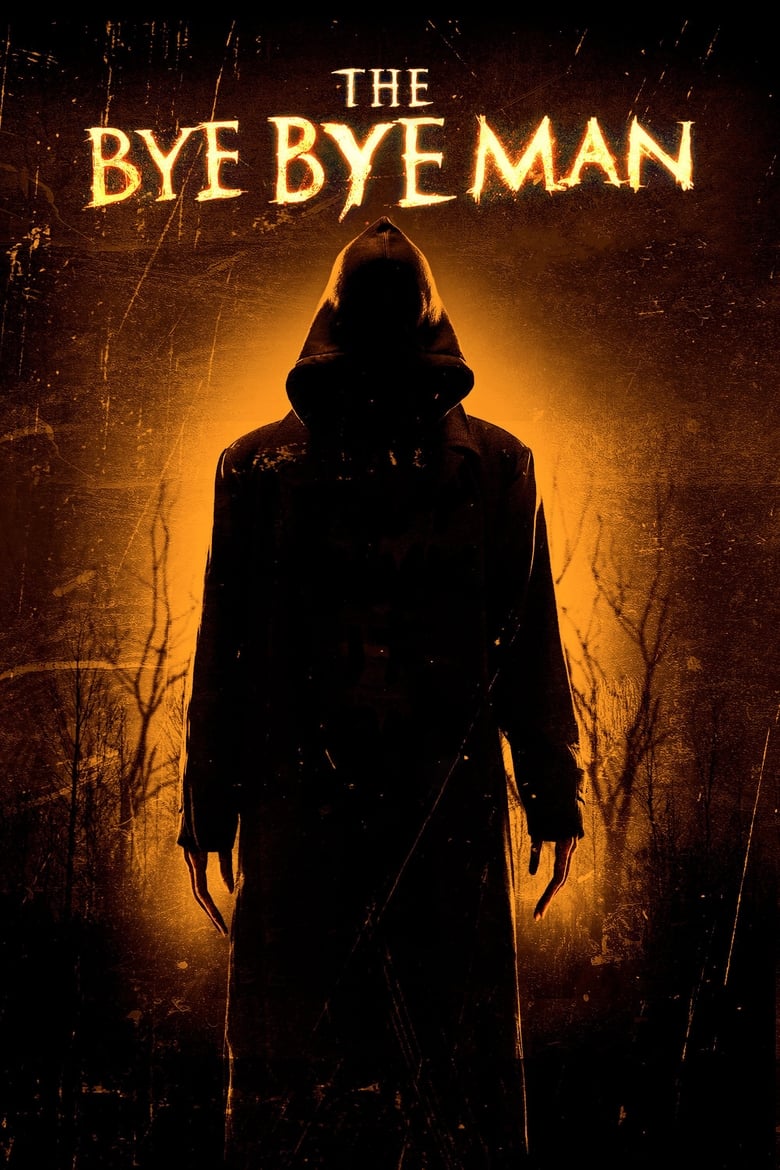
The Bye Bye Man (2017)
Three college students move into an old house and unleash a supernatural entity that preys on them after they discover its name; they try to save one another while keeping its existence secret.
Why it works: Like Under the Skin’s premise of unsuspecting people being targeted, this centers on an entity that preys on people who encounter it. Reviews found the supernatural idea promising to some, but others felt its rules were vague and the horror familiar or predictable.
Keep in mind: Reviews disagree about how effectively it builds fear and sustains its suspense.
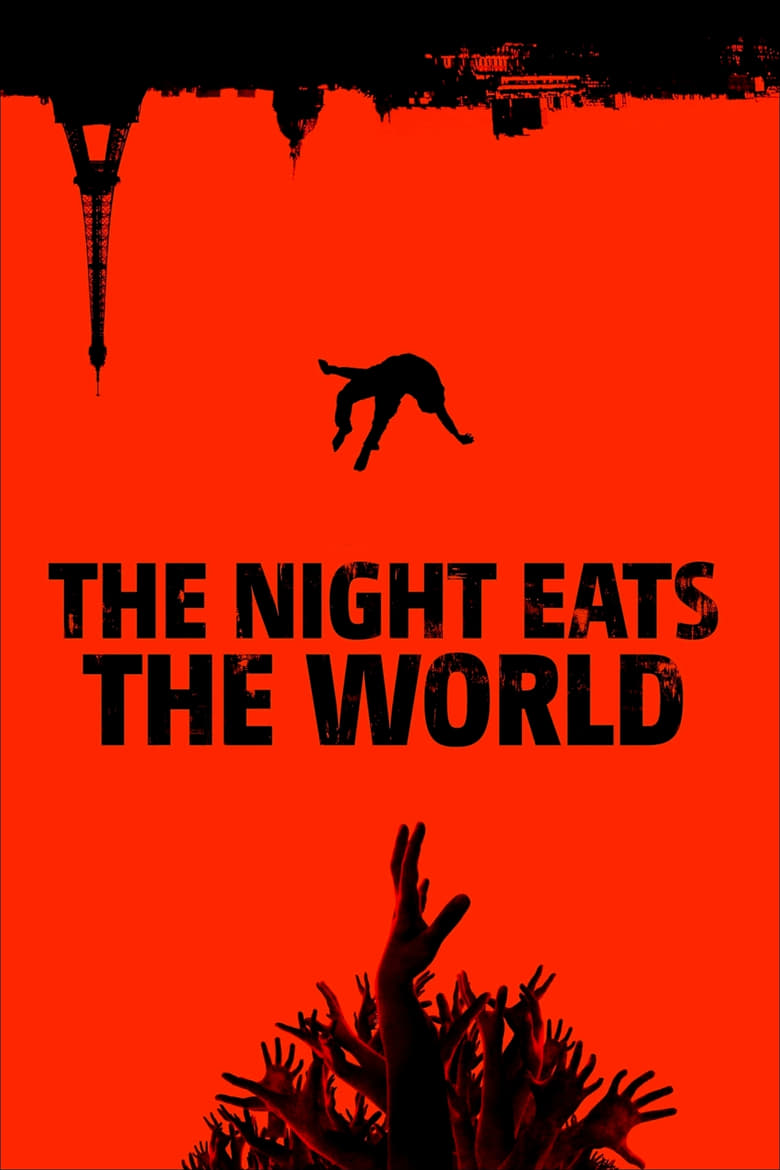
The Night Eats the World (2018)
Sam wakes after a party to find himself alone in an apartment and learns that the living dead have invaded the streets of Paris.
Why it works: This turns the outsider-and-prey dynamic outward: rather than a stranger hunting people, Sam wakes into a city overrun by the living dead. Its setup offers another horror story about an individual confronting a threat that has made the familiar human world unsafe.
How we chose these picks
Title details and streaming listings come from the WattaWatch catalog. Review-based observations summarize IMDb audience reviews where available; they do not imply a universal verdict or firsthand viewing. Entries without review evidence describe the title’s premise and catalog facts.