
12 Best Movies Like The Social Network to Watch Next (2026)
Find films like The Social Network, from tech-company rise-and-fall stories to online identity dramas and tales of ambition, betrayal, and public fallout.
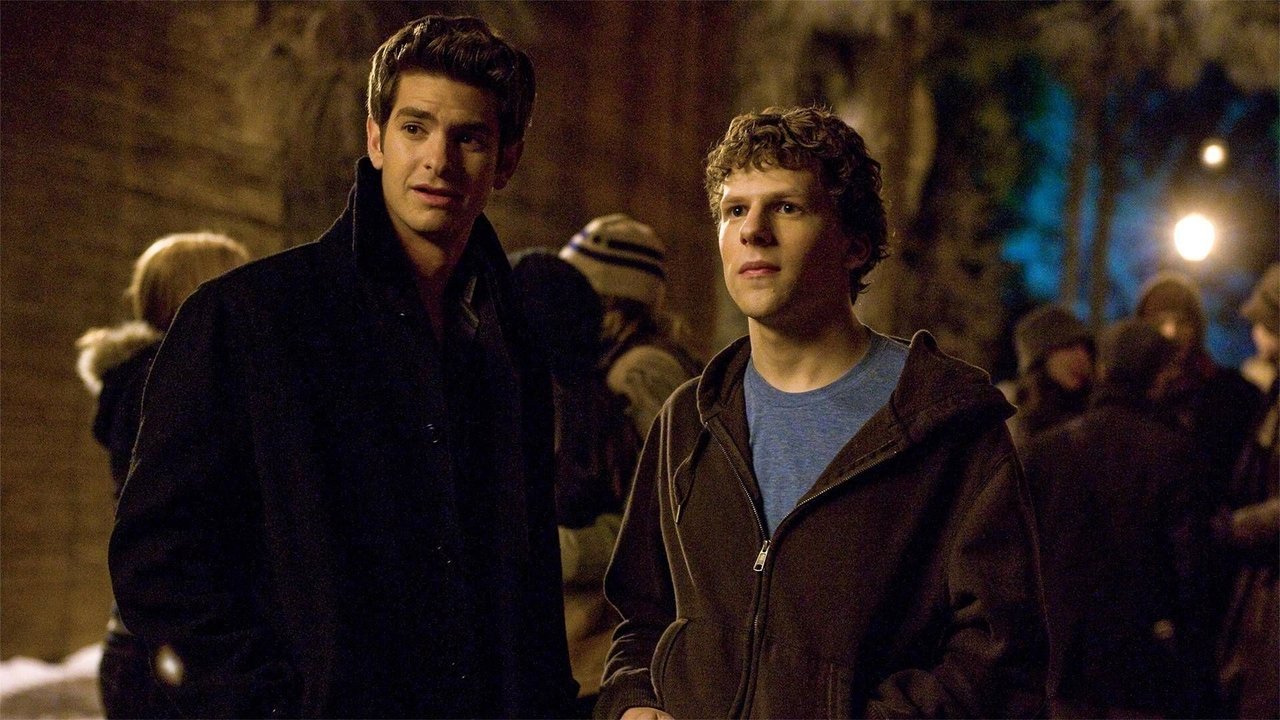
If you’re drawn to The Social Network’s blend of ambition, digital life, friendship, and legal consequences, these films explore some of the same territory from different angles. Some focus on online identity and its effects on families; others follow the people building businesses, navigating reputations, or pursuing success.
The connections here are specific rather than interchangeable: shared themes include online deception, social fallout, high-stakes ambition, and the complicated people behind a venture or public story.
Quick picks
For the startup rise and fall
BlackBerry follows mismatched innovators and executives as their smartphone becomes a hit, then collapses.
For the consequences of social networks
This documentary-drama examines the human impact of social networking, with tech experts reflecting on their own creations.
For a social-media-fueled business story
A stock tip shared online grows into a movement that affects ordinary investors and billionaires alike.
Our picks

Catfish (2010)
Photographer Nev begins corresponding with a girl and her family after she asks to paint one of his pictures. A romance with her older sister leads him and his friends to travel in search of the truth.
Why it works: The clearest connection is the way online contact sets larger personal consequences in motion. Where The Social Network centers on the creation of a platform and the disputes around it, Catfish follows a relationship formed through Facebook and the uncertainty surrounding the people behind it.
Keep in mind: This story follows a personal investigation and online romance, not the building of a technology company.

Trust (2010)
Fourteen-year-old Annie meets someone online who misrepresents himself. When the deception comes to light, her family struggles to support her as they respond to what happened.
Why it works: Choose this for a more intimate look at how online communication can reshape relationships and family life. Its link to The Social Network is the impact of digital interactions; the focus here is Annie and her family's response, rather than a founder's rise or legal battles.
Keep in mind: The story deals with online grooming and its aftermath, a much more personal and serious subject.

A Beautiful Mind (2001)
Brilliant, socially awkward mathematician John Nash makes a groundbreaking discovery and approaches international acclaim, then becomes entangled in secret cryptography work and a mysterious conspiracy.
Why it works: The shared thread is an exceptionally gifted, socially awkward man whose achievement becomes entangled with personal complications. Reviewers praise Russell Crowe for making Nash's changing condition feel human, and some find the film's shifts between perceived reality and hallucination suspenseful.
Keep in mind: Nash's story turns toward illness and self-discovery, rather than technology entrepreneurship or lawsuits.

Disconnect (2012)
Several people navigate strained relationships and online life: a lawyer neglects his family while glued to his phone, an estranged couple seeks escape online, and a journalist pursues a career-making story about a teenager.
Why it works: Like The Social Network, Disconnect links digital life to the difficulty of connecting with other people. Its intersecting stories widen the lens from one founder and his disputes to strangers, families, and colleagues affected by life online.
Keep in mind: This is an ensemble of intersecting stories, not a single-person biographical account.
Explore: 12 Best Movies Like The Girl with the Dragon Tattoo to Watch Next (2026)

The Room (2003)
Johnny, a successful banker devoted to his future wife and friends, sees his world unravel as those around him begin to betray him.
Why it works: The connection is narrow but direct: both stories include betrayal among people who were once close. The Room shifts away from social technology and legal disputes to Johnny's relationships and the collapse of his personal world.
Keep in mind: Its story is about personal relationships, not innovation or the internet.

Easy A (2010)
Olive uses her school's gossip network to change her social standing, but classmates turn against her as her new reputation grows. With help from her parents and a longtime crush, she tries to take control of the rumors.
Why it works: For a lighter take on reputation, Easy A makes gossip a force that can transform how a young person is seen. Reviewers praise Emma Stone's witty, charismatic lead performance and the script's humor, while noting that some find the writing glib or the high-school characters thin.
Keep in mind: This is a high-school comedy about rumor and reputation, not a story of tech-company ambition.
Explore: 12 Best Movies Like 10 Things I Hate About You to Watch Next (2026)

The Social Dilemma (2020)
This documentary-drama hybrid examines the human impact of social networking, with technology experts warning about the consequences of their own creations.
Why it works: This is the most direct thematic companion for viewers interested in the technology behind The Social Network: it turns from one platform's origin story to the broader human effects of social networking and the people who helped create it.
Keep in mind: Its focus is the impact of social networking, rather than the dramatized story of a particular founder.

Submarine (2010)
Oliver, a thoughtful 15-year-old in Wales, struggles to begin and sustain a relationship with classmate Jordana as problems also develop in his parents' marriage.
Why it works: The connection is its portrait of a socially awkward young person trying to manage relationships while family life shifts around him. That makes it a personal, school-age counterpoint to The Social Network's young protagonist and complicated friendships, though it has no startup or legal storyline.
Keep in mind: Its focus is adolescent romance and family life, not technology or business.

Catch Me If You Can (2002)
Before turning 19, Frank Abagnale Jr. successfully passes himself off as a Pan Am pilot, doctor, and legal prosecutor. An FBI agent pursues him as Frank revels in the chase.
Why it works: Both films follow a young man whose extraordinary success brings legal scrutiny, though Frank's story centers on fraud rather than building a business. Reviewers describe this as a brisk, playful cat-and-mouse caper and praise Leonardo DiCaprio's engaging portrayal of Frank.
Keep in mind: Its central achievement is a series of cons, not a technological innovation.
Explore: 12 Best Movies Like The Wolf of Wall Street to Watch Next (2026)

Graduation (2007)
Four high-school friends need money to help a family member. When one discovers her banker father is having an affair, the group plots a bank robbery during graduation, but events do not go as planned.
Why it works: The modest connection is a group of young people making a consequential plan amid personal loyalties and family complications. It offers a coming-of-age crime story rather than a story about a company, a social platform, or a founder's legal disputes.
Keep in mind: The shared ground is young characters and complicated decisions, not technology or business.

BlackBerry (2023)
Engineer Mike Lazaridis and businessman Jim Balsillie join forces to build the first smartphone into a worldwide hit, before the company suffers a catastrophic decline.
Why it works: This is the closest match for the entrepreneurial rise-and-fall angle: two mismatched partners turn a technical innovation into a major business. Reviewers praise the contrast between engineering and business instincts, and some find its tense corporate conflict and dark humor entertaining.
Keep in mind: Some reviewers feel the character portrayals exaggerate or stray from the historical record.
Dumb Money (2023)
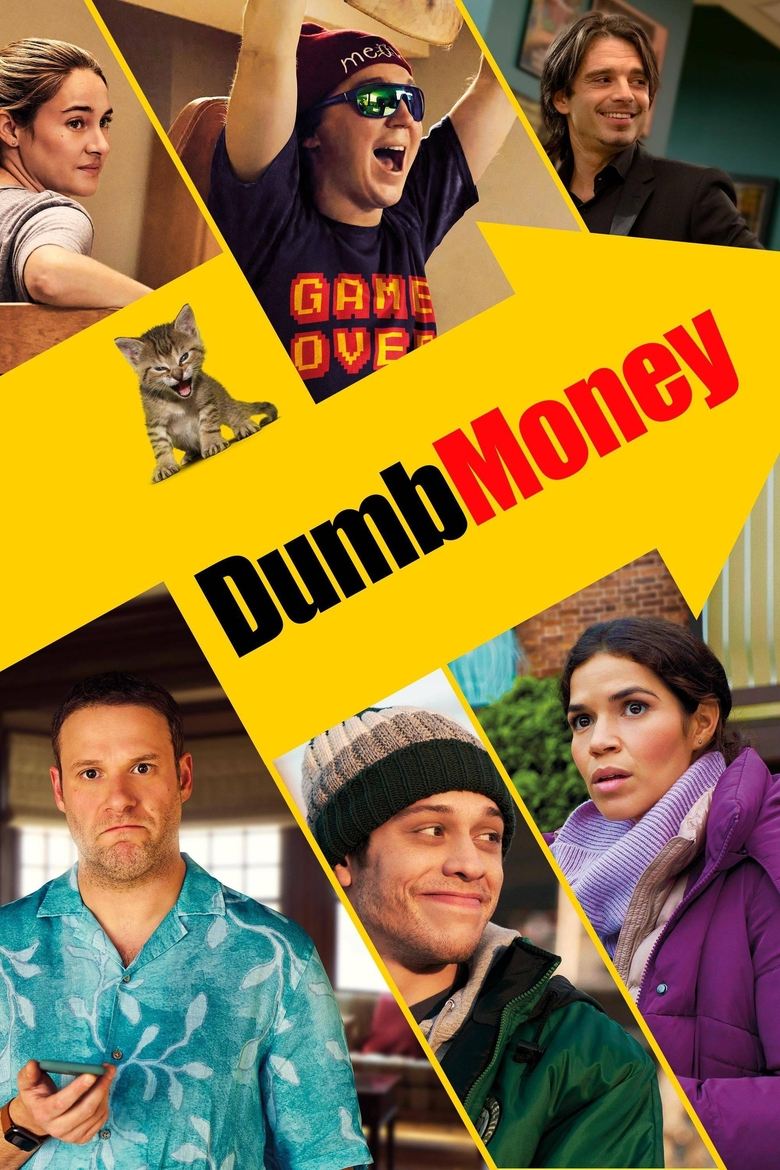
Vlogger Keith Gill invests his life savings in GameStop stock and posts about it online. As the story spreads on social media, it affects his life and those following him, drawing billionaires into the fight.
Why it works: Dumb Money connects social media to money, influence, and a sudden shift in who has power—an adjacent route for viewers interested in how online activity can have consequences beyond the screen. Reviewers found it brisk and entertaining, though some thought the financial events were difficult to follow or insufficiently explained.
Keep in mind: Its catalyst is a stock-market movement, not the creation of a social network.
How we chose these picks
Title details and streaming listings come from the WattaWatch catalog. Review-based observations summarize IMDb audience reviews where available; they do not imply a universal verdict or firsthand viewing. Entries without review evidence describe the title’s premise and catalog facts.