
12 Best Movies Like Scream to Watch Next (2026)
Find films that echo Scream through masked-killer mysteries, teen slasher setups, media and violence themes, or stories built on mounting suspicion.
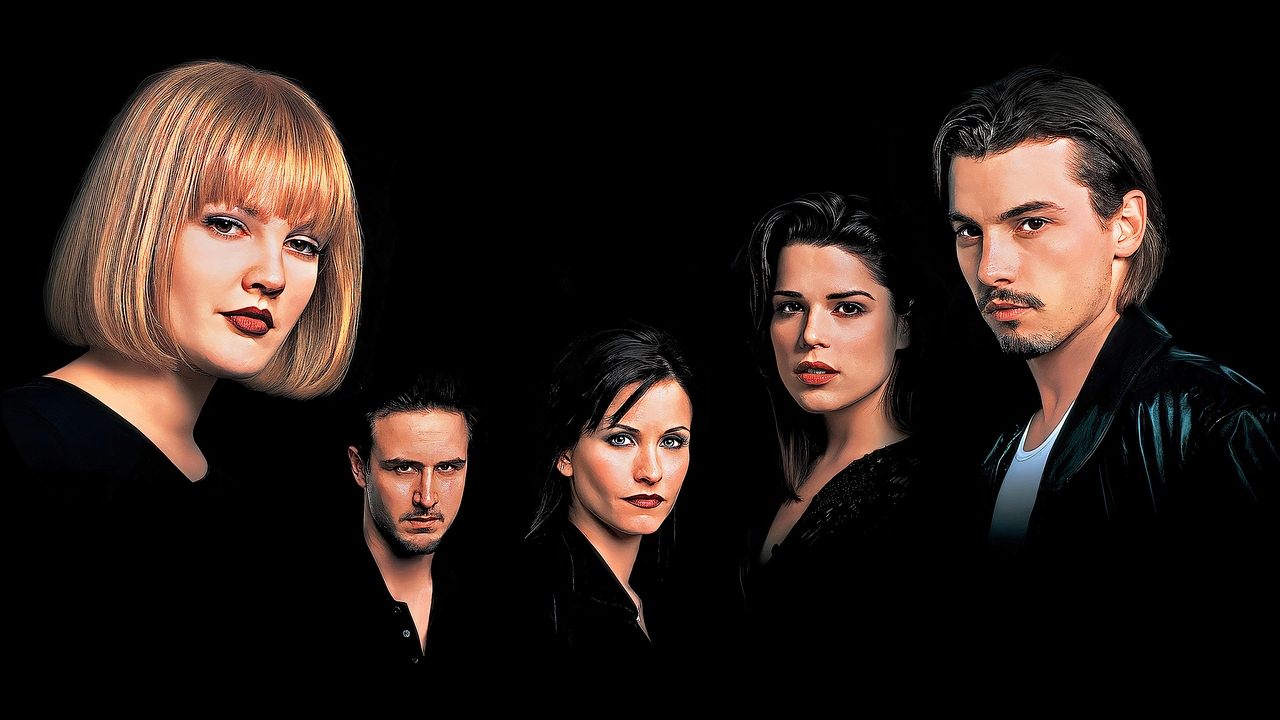
If Scream’s mix of a threatening killer, a mystery to solve, and horror stories that shape the danger is what you’re after, these picks offer several different routes into that territory. Some center on teen groups under threat; others turn toward violence on screen, suspicious identities, or a more intimate kind of stalking.
The connections here are specific to each film’s premise and, where review observations are available, its described tone or storytelling. The list spans slashers, psychological thrillers, and mysteries rather than treating them as interchangeable.
Quick picks
For the media-and-violence thread
A student researching violence finds a video connected to a former college student’s death, putting violent images and a mystery at the center.
For a teen slasher setup
A group of teens shares a secret and faces a masked stalker a year later.
For campus killer suspense
A college campus becomes the setting for a serial killer whose attacks draw on urban legends.
Our picks

Thesis (1996)
While researching violence for her thesis, Ángela discovers a video of a girl being tortured to death and learns the victim was once a student at her college.
Why it works: This is the closest thematic match for viewers drawn to Scream’s use of horror media as part of its danger: Thesis makes violence and the act of watching it the subject of a student’s investigation. Reviewers describe its suspense as built through atmosphere and suggestion, with little explicit violence; some also found its questions about voyeurism compelling, while others thought the commentary less developed.
Keep in mind: The central investigation concerns a violent video and its college connections, not a masked killer targeting a teen friend group.
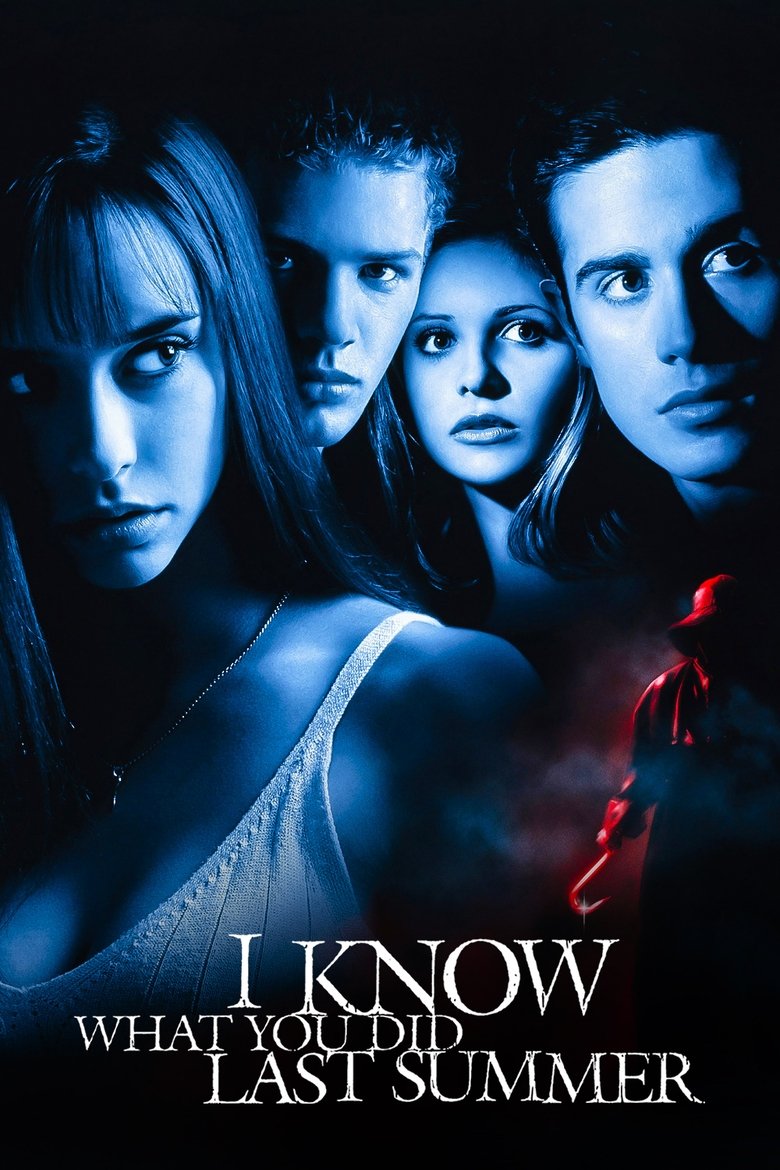
I Know What You Did Last Summer (1997)
After four teenagers dump the body of a person they accidentally hit, the secret returns a year later when a hook-handed figure begins stalking them.
Why it works: A strong fit for the teen-slasher and concealed-past elements: a group of young people is hunted after sharing a deadly secret. Reviewers often characterize it as a straightforward, old-fashioned slasher rather than a self-aware one, and describe the guilt-and-secrecy thread as a more personal dimension of the setup.
Keep in mind: Reviews differ on how engaging the mystery and characters are, and several describe the violence as restrained.

Fear (1996)
Nicole falls for David, whose appealing boyfriend persona hides a dangerous side that turns her romantic hopes into a nightmare.
Why it works: Choose this for a more personal variation on the threat in Scream: instead of a killer pursuing a group, danger emerges inside a relationship. Reviewers frequently singled out Mark Wahlberg’s gradual shift from charming boyfriend to controlling presence, though some found the early build-up slow or the plot familiar.
Keep in mind: Its focus is a threatening boyfriend and a family-centered thriller, not a masked slasher mystery.

Freeway (1996)
After her mother is arrested, Vanessa travels to find her estranged grandmother. A ride with a school counselor turns perilous when she suspects he is a notorious killer, who pursues her after she escapes.
Why it works: Freeway connects through a young woman confronting a dangerous killer and trying to survive his pursuit. Its modern retelling of Little Red Riding Hood also gives the chase a fairy-tale framework, a different storytelling angle from Scream’s movie-aware slasher setup.
Keep in mind: The premise follows Vanessa on the road rather than a group of friends facing a killer in their community.

Urban Legend (1998)
A serial killer terrorizes a college campus, murdering students in ways that correspond to urban legends.
Why it works: For viewers who want another campus-based killer mystery, Urban Legend puts students in danger and makes familiar horror-story material part of the murders. That legend-driven pattern gives it a concrete connection to Scream’s use of scary movies as part of a deadly game, though the stories informing the attacks differ.
Keep in mind: The attacks are linked to urban legends, rather than to scary movies.

Primal Fear (1996)
A self-interested defense attorney takes the case of an altar boy accused of murdering a Chicago archbishop. As the case unfolds, church secrets complicate what first seemed straightforward.
Why it works: This shifts the focus from slasher danger to a courtroom mystery, but retains the appeal of uncertain motives and a case that grows more complicated as evidence emerges. Reviewers praised the suspense of the proceedings and central mystery, and often singled out Edward Norton’s performance for the character’s changes in demeanor.
Keep in mind: Its setting and central crime are a courtroom case and an alleged murder, not a pursuit by a masked killer.

Valentine (2001)
Four friends begin receiving morbid Valentine cards and realize they are being stalked by someone they rejected years earlier as the holiday approaches.
Why it works: Valentine offers another masked-killer premise built around a group of friends and a threat tied to their shared past. The stalking and threatening messages provide a direct bridge to Scream’s combination of targeted victims and an unfolding mystery about who is behind the danger.
Keep in mind: The threat is linked to a rejection from years earlier and Valentine’s Day.

Ringu (1998)
A journalist investigates a mysterious video linked to several deaths. After watching the tape herself, she sets off a chain of events that endangers her life.
Why it works: The connection is the dangerous video: in both films, recorded media is tied to mortal threat rather than serving as mere background. Ringu takes that idea in a supernatural direction, following a journalist whose investigation and viewing of the tape put her own life at risk.
Keep in mind: The premise centers on a mysterious tape and a journalist, not a teen friend group or a masked assailant.
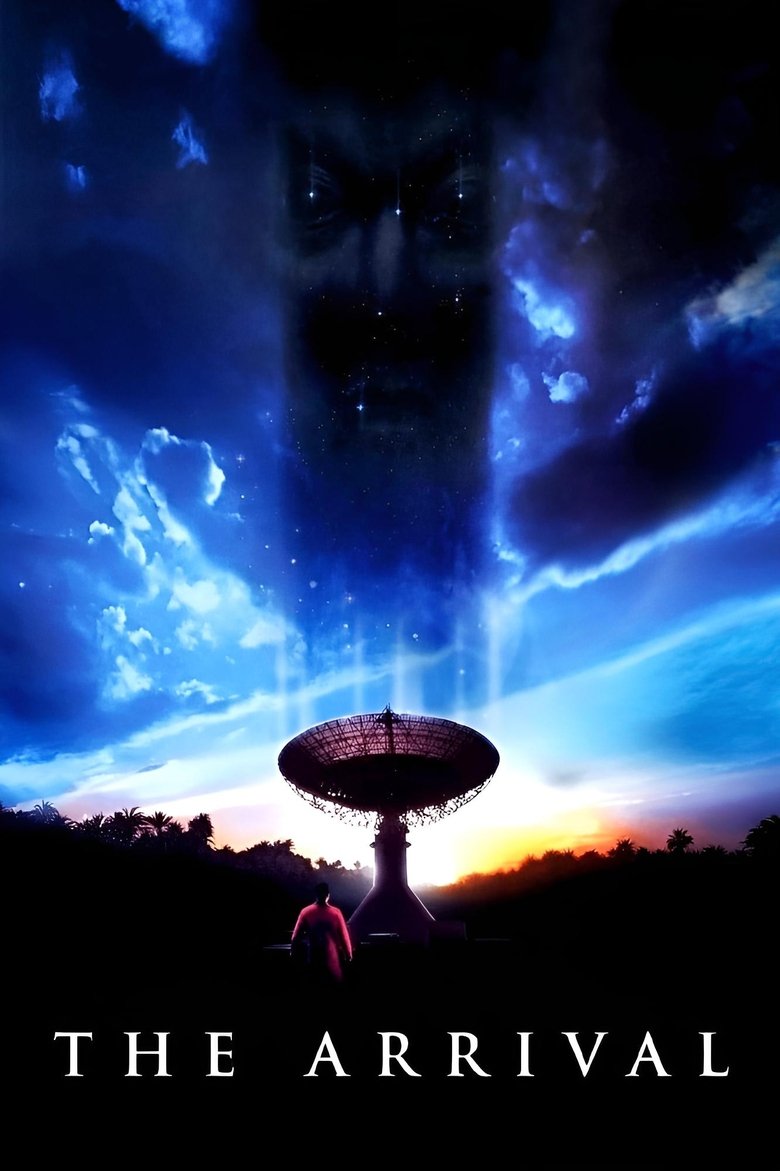
The Arrival (1996)
Astrophysicist Zane Ziminski receives a message that may be extraterrestrial. After he is fired, his search for its origin leads into a maze of paranoia and intrigue.
Why it works: The Arrival is a genre change for anyone seeking the paranoid-mystery side of Scream: a discovery triggers a search in which trust and the source of the threat become central questions. Its danger is framed around an apparent extraterrestrial message rather than a slasher’s attacks.
Keep in mind: This is a science-fiction thriller, and its central mystery begins with a possible alien transmission.

Whispers (1990)
A woman is stalked by a killer, whom she eventually kills. When he later appears alive and apparently sane, the police doubt her account, though one detective investigates.
Why it works: Whispers connects through a woman’s experience of being stalked and the uncertainty that follows when the apparent killer returns under different circumstances. The police’s disbelief and the detective’s investigation make the story’s mystery hinge on whether her account can be trusted.
Keep in mind: Its central uncertainty involves the stalker’s identity and condition, rather than a group trying to unmask a slasher.
Explore: 12 Best Movies Like The Silence of the Lambs to Watch Next (2026)

Terrified (1994)
After witnessing her husband kill her lover and then himself, a traumatized woman is stalked by an unknown assailant, but struggles to convince others she is in danger.
Why it works: For a more isolated take on the hunted-character premise, Terrified follows a woman who says an unknown assailant is stalking her and cannot get others to believe her. That disbelief creates a different kind of uncertainty from Scream’s suspect-filled friend-group mystery.
Keep in mind: The setup centers on one woman’s trauma and an unidentified stalker.
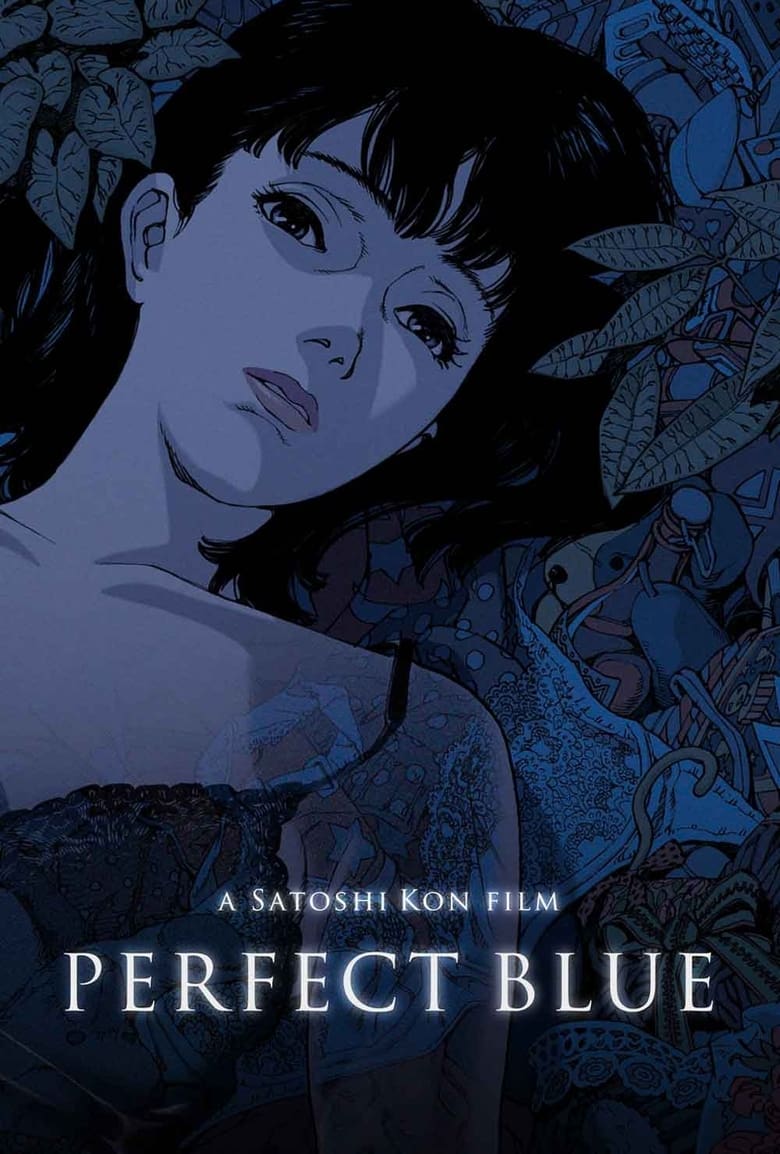
Perfect Blue (1997)
Pop star Mima leaves singing to pursue acting. After taking a role on a detective show, people around her are murdered, while guilt and visions blur her sense of reality.
Why it works: Perfect Blue connects most directly through the boundary between screen stories and real danger: Mima’s acting role, murders around her, and visions become tangled in a paranoid mystery. Its focus on a performer and unstable reality offers a distinct alternative to Scream’s group-centered slasher plot.
Keep in mind: The story is animated and follows a pop star pursuing an acting career.
Explore: 12 Best Movies Like Who Framed Roger Rabbit to Watch Next (2026)
How we chose these picks
Title details and streaming listings come from the WattaWatch catalog. Review-based observations summarize IMDb audience reviews where available; they do not imply a universal verdict or firsthand viewing. Entries without review evidence describe the title’s premise and catalog facts.