
12 Best Movies Like Good Will Hunting to Watch Next (2026)
Find films that echo Good Will Hunting through gifted outsiders, uncertain futures, difficult relationships, and stories about finding a way forward.
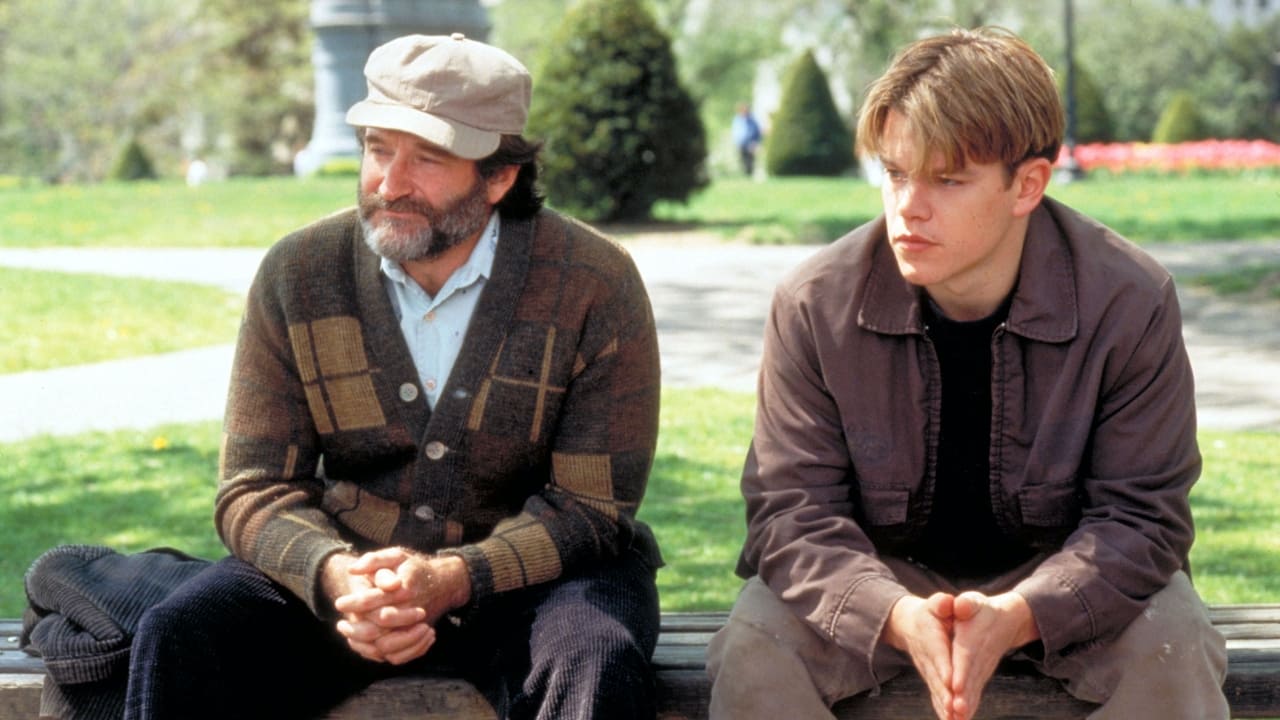
If you’re looking for another gifted outsider, a character at a crossroads, or a story shaped by difficult relationships, these films offer different routes in. Some share the search for direction; others connect through romance, friendship, or an unusual talent. A few take a sharp turn into darker or more comic territory.
The closest connections here come from characters negotiating their potential, their place in the world, and the people who affect their choices. Other picks share only one thread, so the notes flag when the tone or subject is a significant departure.
Quick picks
For another mathematical mind
A mathematical genius is central here too, though his link between numbers and reality leads into a sci-fi mystery rather than a story about therapy and personal direction.
For a directionless lead
Anthony and his friend Dignan have no settled path, making this a comic, crime-centered variation on watching an uncertain young man try to find his way.
For the outsider connection
A lawn-mowing outsider forms an unexpected friendship with a child in an affluent community, linking its social outsider theme to a very different story.
Our picks

Lawn Dogs (1997)
Trent, a young outsider who mows lawns in an affluent gated community, observes its residents’ hypocrisies. His life becomes more complicated when he befriends Devon, a 10-year-old girl from one of the families.
Why it works: The connection is the outsider who works on the margins of a privileged world, and the unexpected bond that complicates his place in it. Rather than focusing on exceptional academic talent or therapy, this story centers on a friendship between an adult and a child.

The Spanish Prisoner (1997)
An inventor of a secret process finds himself isolated when both his friends and the corporation he works for turn against him.
Why it works: This fits if you’re drawn to a capable person whose talent does not protect him from personal and institutional conflict. The connection is an inventive lead and the people around him; the story shifts from personal growth toward mystery and thriller territory.
Keep in mind: Its central conflict is betrayal, not therapy or the gradual search for direction.

Pi (1998)
A mathematical genius discovers what he believes is a link between numbers and reality, and thinks that link may let him predict the future.
Why it works: The shared thread is a mathematically gifted protagonist, but the resemblance stops well short of a character drama about finding direction. Here, the numerical discovery drives a story framed by mystery, science fiction, and horror.
Keep in mind: This is a genre shift, not a warm relationship-focused alternative.

Lolita (1997)
British novelist Humbert Humbert stays at Charlotte Haze’s boarding house and becomes obsessed with her teenage daughter, Lolita.
Why it works: There is only a narrow connection through complicated adult relationships: this is an unsettling obsession, not a reciprocal romance or a story of a young person finding direction. Reviewers have differed on whether its somber approach preserves the source’s ambiguity and humor; its unsettling tone may suit viewers seeking a much darker departure.
Keep in mind: Its adult-minor subject matter is a substantial difference from the emotional and romantic thread in Good Will Hunting.

Bottle Rocket (1996)
After leaving a mental hospital following a nervous breakdown, directionless Anthony joins his friend Dignan in a loosely planned crime spree involving Dignan’s former boss.
Why it works: Anthony’s lack of direction and the importance of friendship make this a character-based connection. Its route is distinctly comic: instead of focusing on a gifted young man’s therapy, it follows friends attempting an ill-defined criminal scheme.

Hope Floats (1998)
After her husband and best friend humiliate her, Birdee returns with her daughter to her Texas hometown. With help from her friend Justin, she begins trying to rebuild her life, and a romance develops.
Why it works: Choose this for a story about starting over with help from someone who cares, and for a romance woven into that process. The lead is an adult rebuilding her life after a public betrayal, rather than a young man confronting his past through therapy.
Explore: 12 Best Movies Like You've Got Mail to Watch Next (2026)

Clockwatchers (1997)
Four female temporary workers at a credit company form a friendship that is strained when a new hire gets the permanent position one of them wanted.
Why it works: The link is the importance of friendship when characters are navigating uncertain prospects. This is an ensemble workplace story about temporary jobs and competition for a permanent role, rather than an individual gifted outsider’s personal growth.
Flubber (1997)
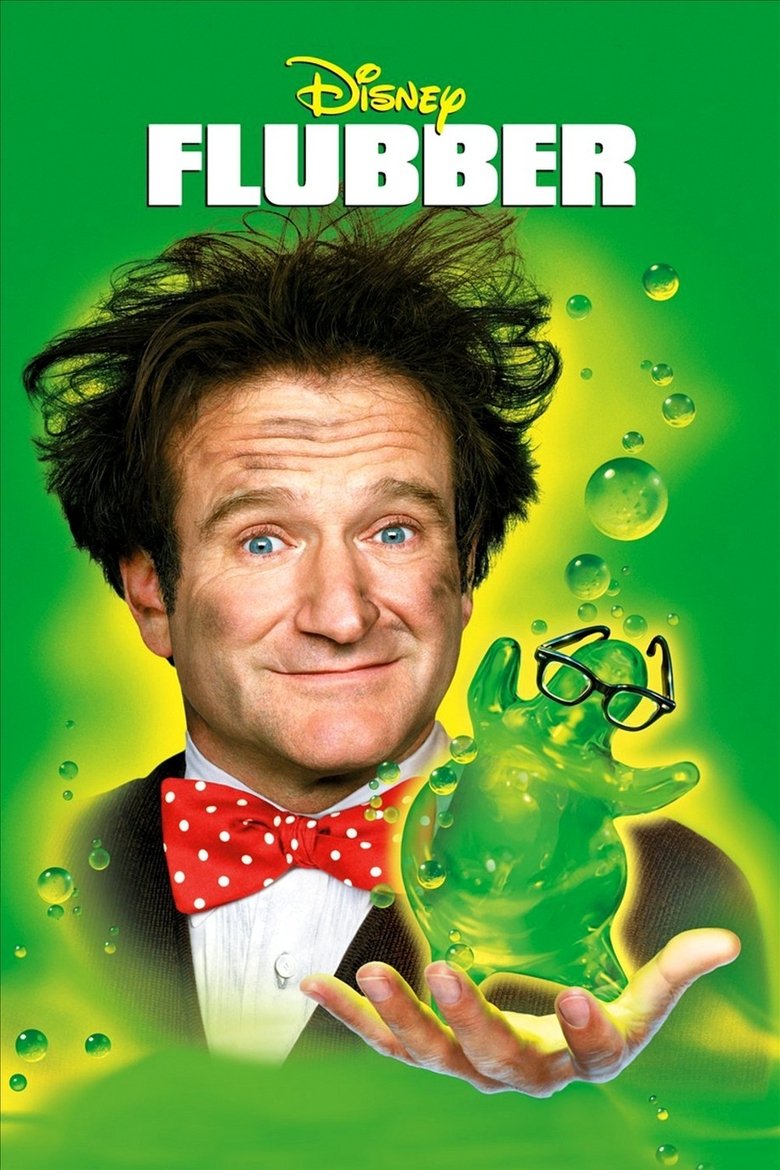
Professor Phillip Brainard is trying to create a new energy source that could save his college, while his assistant Weebo helps him. He has missed his wedding twice when he finally creates a substance that makes objects fly.
Why it works: The shared element is a professor whose unusual work shapes the story, but the focus shifts from personal conflict to an invention, a college, and a romance. Reviewers describe its broad, child-oriented slapstick as entertaining for some younger viewers but juvenile or repetitive for some adults.
Keep in mind: Expect a family sci-fi comedy rather than a grounded drama about vulnerability and relationships.
The Locusts (1997)
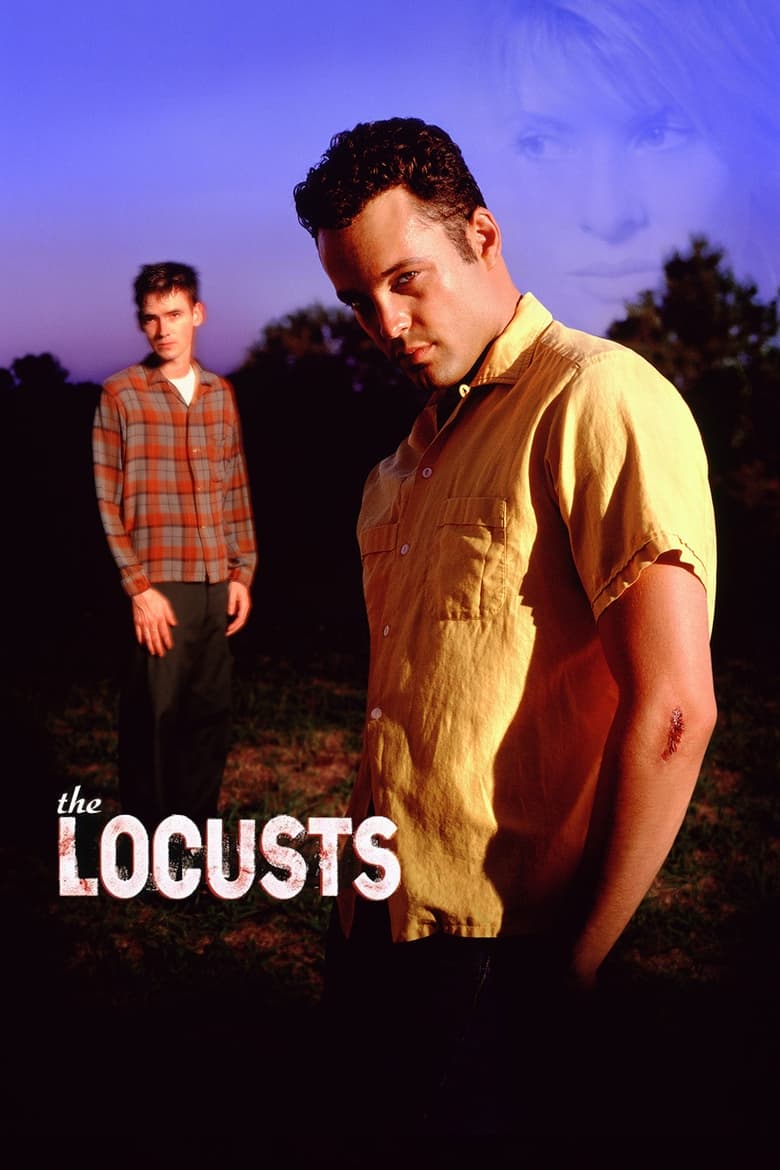
Clay Hewitt, a drifter with a mysterious past, arrives at Delilah Potts’s ranch. When he rejects her advances, she responds with dangerous passions and secrets tied to the past he is trying to escape.
Why it works: This connects through a newcomer carrying a past that shapes his relationships, alongside a charged romantic conflict. Its focus is a drifter, a ranch, and dangerous secrets, not academic ability or the process of finding a constructive future.
Hollow Reed (1996)
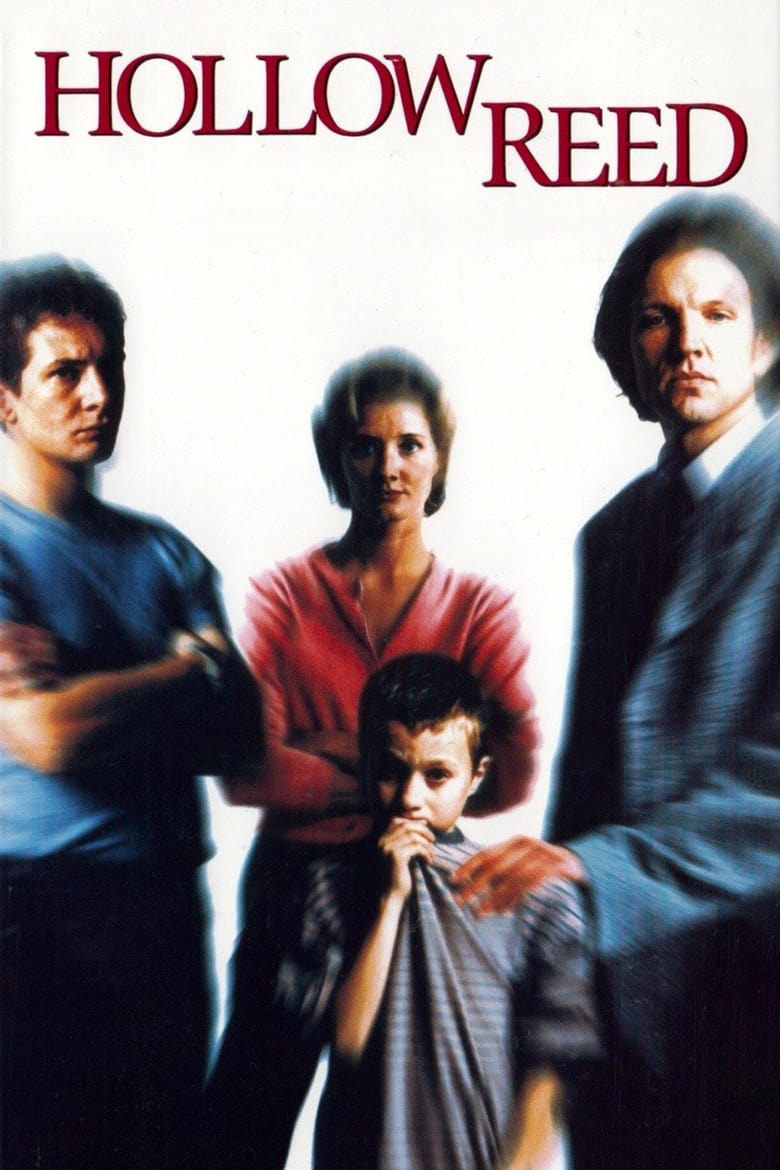
After Martin Wyatt loses custody of his son following the end of his marriage, he suspects his former wife’s new partner is abusing the boy. Martin begins a court battle to regain custody.
Why it works: The connection is a character confronting painful personal circumstances through a struggle with legal consequences. This story centers on a parent’s effort to protect and regain custody of his son, rather than on a young adult’s talent or therapy.

Hideous Kinky (1998)
In 1972, Julia leaves what she sees as the dreary conventions of English life and travels to Morocco with her six-year-old and eight-year-old daughters.
Why it works: This is a possible match if the appeal is a character rejecting an expected way of life and choosing an uncertain path. The perspective is that of a mother traveling with her children, so it offers a very different set of relationships from a young man’s story.
Explore: 12 Best Movies Like Practical Magic to Watch Next (2026)
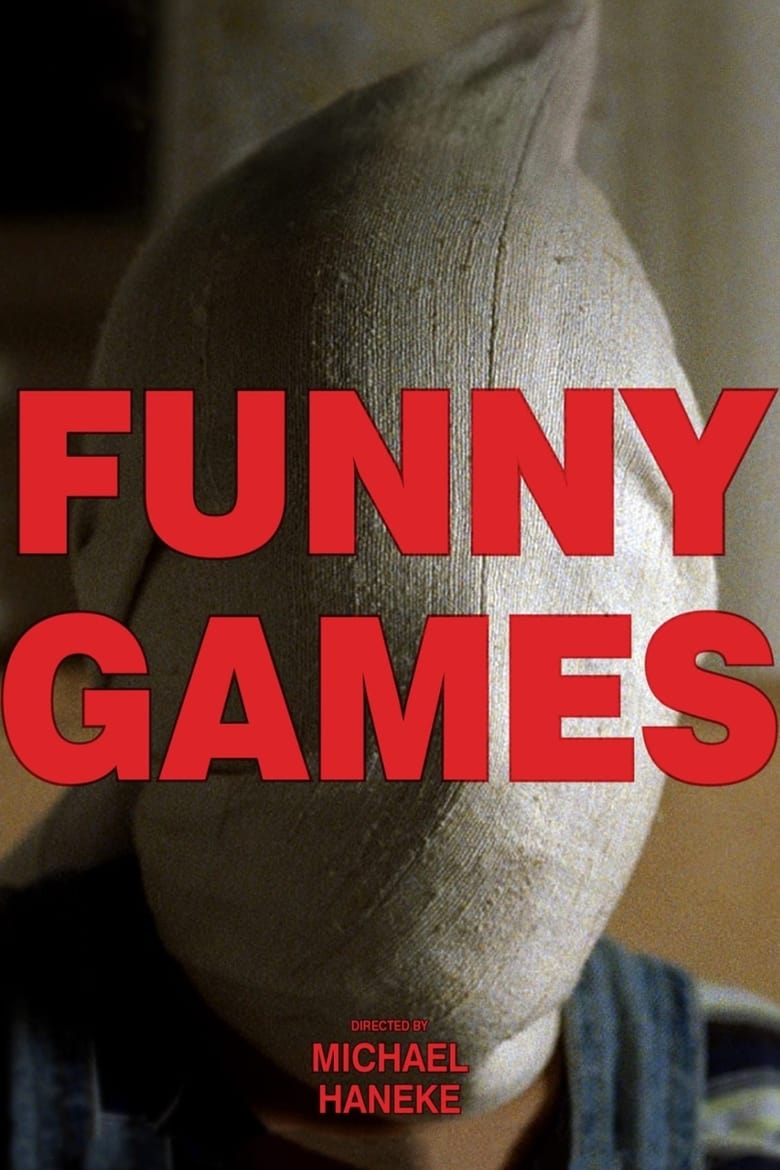
Funny Games (1997)
Two young men take a mother, father, and son hostage at their vacation cabin and force the family into sadistic games.
Why it works: This is an intentional tonal opposite: it replaces a guarded young person’s struggle toward connection with a hostage ordeal. Reviewers describe its sustained tension and bleak refusal of a reassuring rescue, so consider it only if you want a punishing thriller rather than an uplifting character drama.
Keep in mind: The violence and emotional distress can be harsh, even when violence is kept offscreen.
Explore: 20 Edge-of-Your-Seat Movies to Watch Right Now (2026)
How we chose these picks
Title details and streaming listings come from the WattaWatch catalog. Review-based observations summarize IMDb audience reviews where available; they do not imply a universal verdict or firsthand viewing. Entries without review evidence describe the title’s premise and catalog facts.