
20 Best Adventure TV Shows on Paramount Plus 2026
Choose an adventure by mood: animated quests, reality competitions, classic space exploration, family-friendly trips, and darker sci-fi dramas.
Adventure takes different forms here: teams race across the globe, crews explore distant worlds, and animated heroes face magical or futuristic dangers. This guide ranges from preschool rescue stories to darker science-fiction, with both reality competitions and scripted series in the mix.
For a quick route, start with the format you want: travel and challenges, a continuing space journey, animation for younger viewers, or a fantasy quest. Several entries are long-running series, while others are limited or newer productions.
Quick picks
For a globe-spanning race
Teams travel between destinations and compete in physical and mental challenges.
For an animated fantasy quest
A young Avatar takes on a mystic journey in a war-torn world.
For episodic space exploration
Captain Pike and the Enterprise crew explore new worlds before Kirk's command.
For an educational outing
A teacher takes her class on imaginative field trips aboard a magical bus.
Our picks
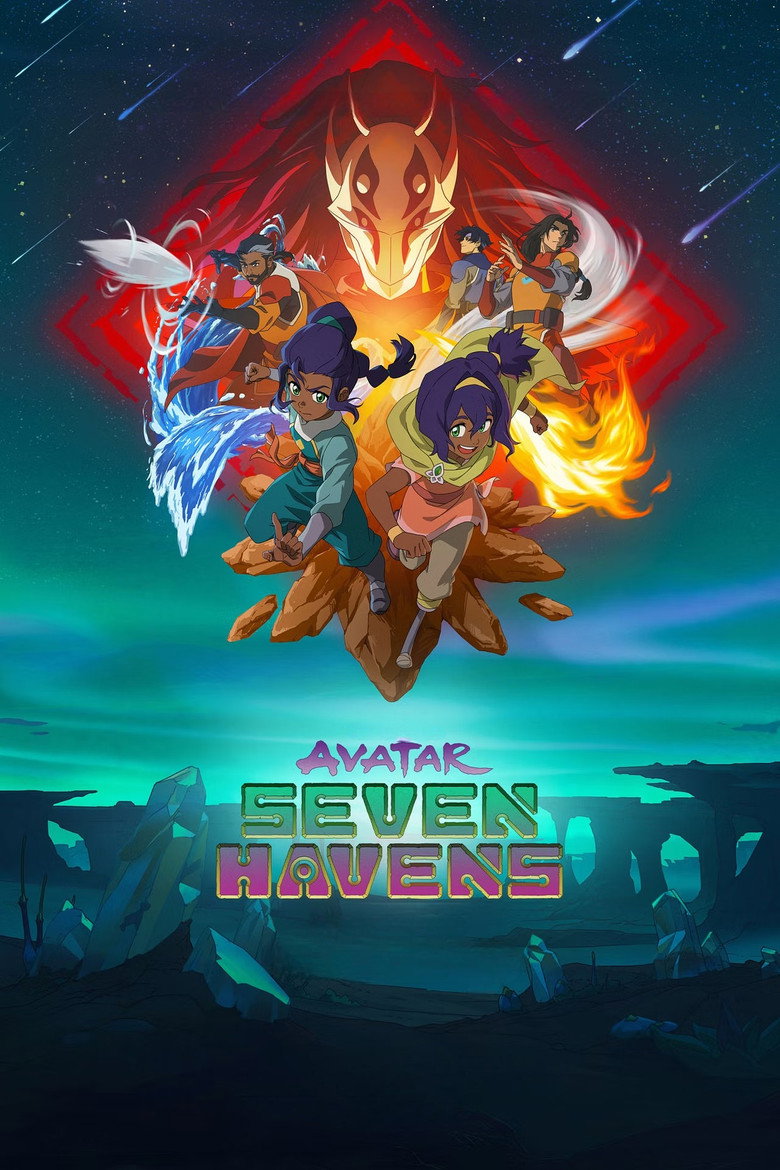
Avatar: Seven Havens (2026)
After a cataclysm shatters the world, a young Earthbender discovers she is the new Avatar after Korra. Hunted by human and spirit enemies, she and her long-lost twin seek answers about their origins and try to protect the Seven Havens.
Why it works: Choose this for a post-cataclysm Avatar story centered on siblings and a mystery about their origins. Reviewers are divided on the darker direction and its treatment of Korra's legacy; some praise the worldbuilding and character focus, while others find the early episodes slow to engage.
Keep in mind: The darker tone and changed visual style may be a departure from the earlier Avatar series, and animation consistency is a recurring reservation in reviews.

The Amazing Race (2001)
Teams travel around the world, completing physical and mental challenges to learn each next destination. Teams are eliminated as the competition progresses, and the first to reach the final destination wins.
Why it works: Pick this when travel is as much a draw as the competition: reviewers enjoy the destination variety and the suspense of close legs, where leads can change. Its mix of puzzles, physical tasks, and teammate coordination makes it a different kind of adventure from a scripted quest.
Keep in mind: Some reviews object to bickering or conspicuous drama; others say later seasons show less travel between challenges or lean more on staging and alliances.

Survivor (2000)
Castaways are divided into tribes and must live in an isolated location with limited supplies. They compete for rewards and immunity, while voting sends players home until one remains.
Why it works: Choose this for an adventure competition where alliances, voting, and social strategy matter alongside physical challenges. Reviewers praise the early seasons' novelty and the tension built around the game, though some find the format repetitive over time.
Keep in mind: The social maneuvering can overshadow the survival premise, and some viewers question the realism or find twists contrived.

CIA (2026)
A CIA case officer and an FBI special agent partner on a clandestine task force in New York, working to prevent domestic terrorism.
Why it works: This is the contemporary crime-and-action option in the selection: its central partnership joins a CIA case officer with an FBI special agent on a New York task force. Choose it for a domestic-terrorism investigation rather than a journey through wilderness, fantasy, or space.
Keep in mind: The premise is focused on a task force and its investigations; no review observations are available here.

Battlestar Galactica (2004)
After the Cylons destroy the Twelve Colonies, the crew of the aging Galactica protects a small civilian fleet, the last of humanity, as it searches for the fabled thirteenth colony, Earth.
Why it works: Choose this for a space adventure built around protecting a refugee fleet and searching for a home. Its premise puts survival and a long interstellar journey at the center, rather than the new-world explorations of the Star Trek entries.
Keep in mind: The story is framed as a continuing journey for the last remnants of humanity, not a collection of unrelated expeditions.
Explore: Where to Watch Battlestar Galactica: Streaming Options
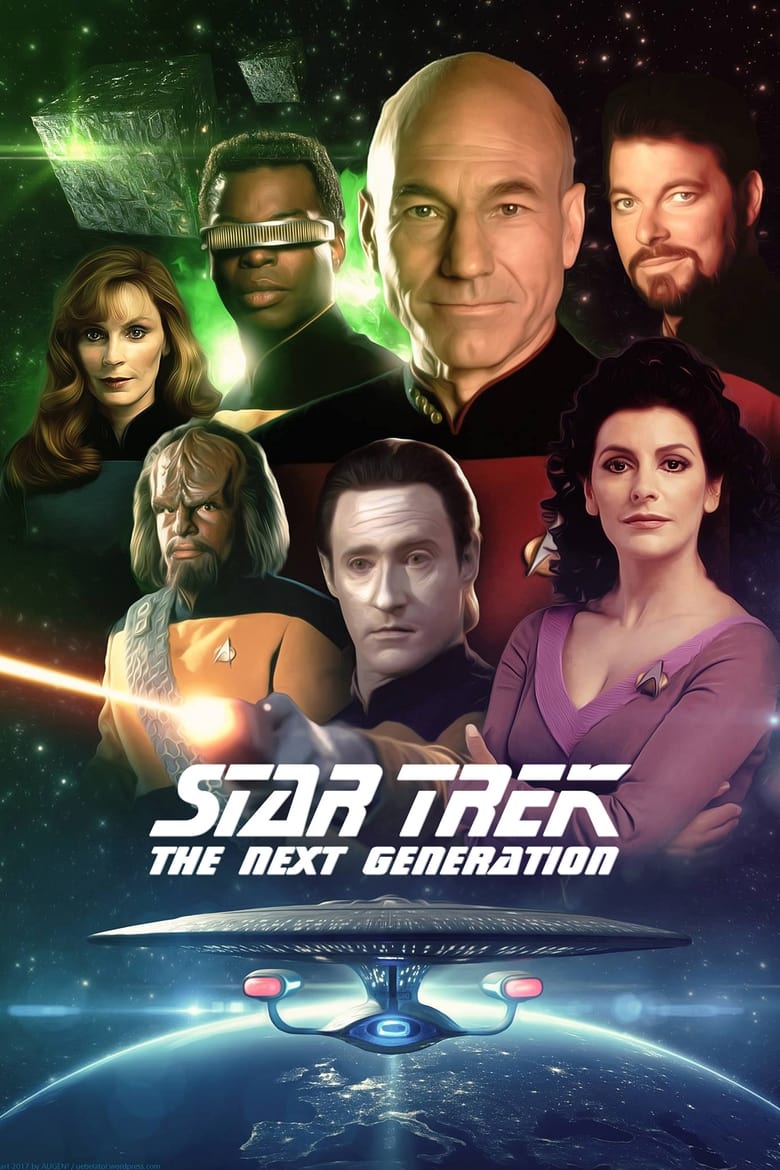
Star Trek: The Next Generation (1987)
Captain Jean-Luc Picard and the crew of the USS Enterprise NCC-1701D travel through space, exploring new worlds.
Why it works: A good fit for viewers seeking a large ensemble and exploratory science fiction. Reviews praise its imaginative stories and ethical, political, and human questions, while also noting uneven episode quality and a slow start before the series finds its stride.
Keep in mind: Reviewers describe the series as primarily episodic, and some say its early seasons take time to hit their stride.
Explore: Where to Watch Star Trek: The Next Generation: Streaming Options

Star Trek: Strange New Worlds (2022)
In the years before Captain Kirk boards the Enterprise, Captain Christopher Pike, Science Officer Spock, and Number One lead the crew on explorations of new worlds across the galaxy.
Why it works: Pick this for a crew-led exploration format with a pre-Kirk Enterprise setting. Some reviewers welcome its self-contained adventures and lighter, playful tone; others find the storytelling uneven or feel its character-focused detours can displace the main plot.
Keep in mind: Its tonal experiments, including musical and comedic episodes, appeal to some reviewers and frustrate others who prefer a more serious approach.
Explore: Where to Watch Star Trek: Strange New Worlds: Streaming Options
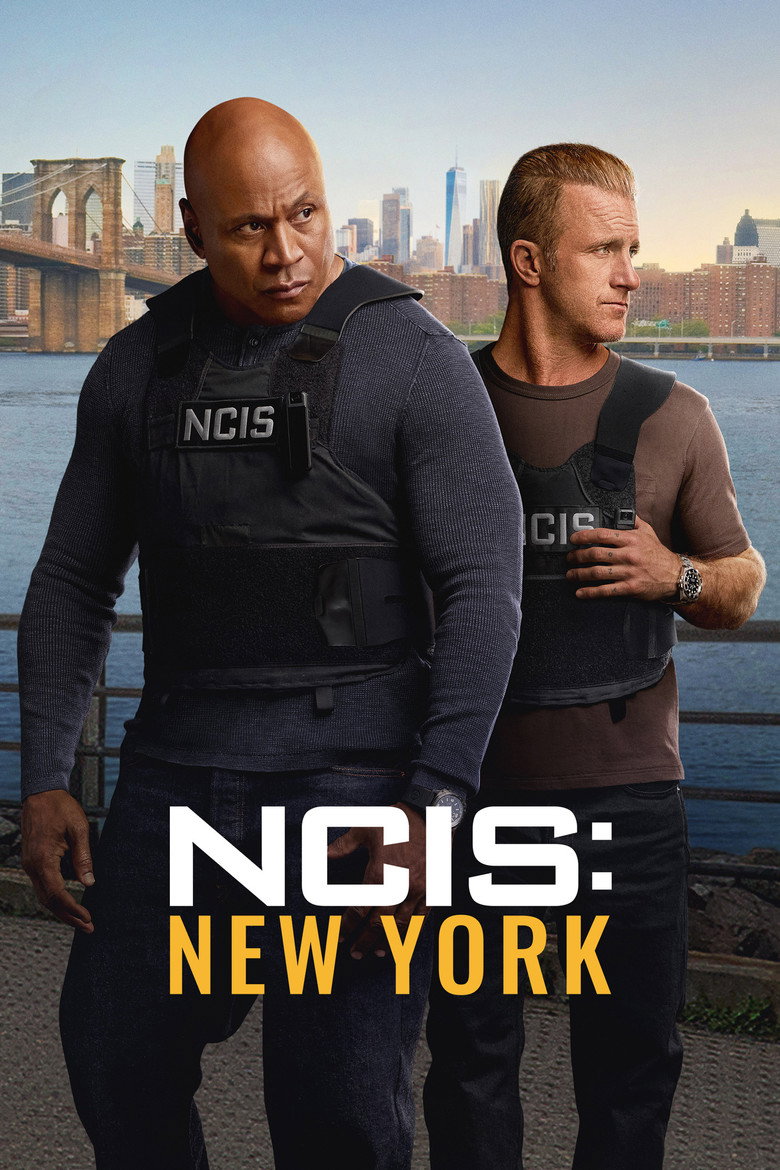
NCIS: New York (2026)
Special Agent Sam Hanna returns to New York and joins forces with roguish agent Nick Schaeffer. Together they help lead a new NCIS team handling high-stakes missions to defend the city and its ports.
Why it works: This entry brings the adventure label to a crime-team setting, with agents taking on high-stakes missions in New York. Choose it for an ensemble tasked with protecting a major city and port rather than for a fantasy world or far-flung expedition.
Keep in mind: No review observations are available here, so this guide sticks to the series' stated setup.

The Legend of Korra (2012)
Avatar Korra, a headstrong young woman, works toward becoming a fully realized Avatar while challenging tradition and seeking balance within herself.
Why it works: Choose this animated fantasy for a forceful lead and a distinctive setting: reviewers highlight Republic City's 1920s-inspired, steampunk-influenced design, vivid animation, and action. The storytelling and season-to-season pacing draw more mixed reactions, so it is a better fit if the world and lead interest you even when the plot varies.
Keep in mind: Some reviewers find the romance distracting and the season arcs uneven, with rushed endings or scattered subplots.
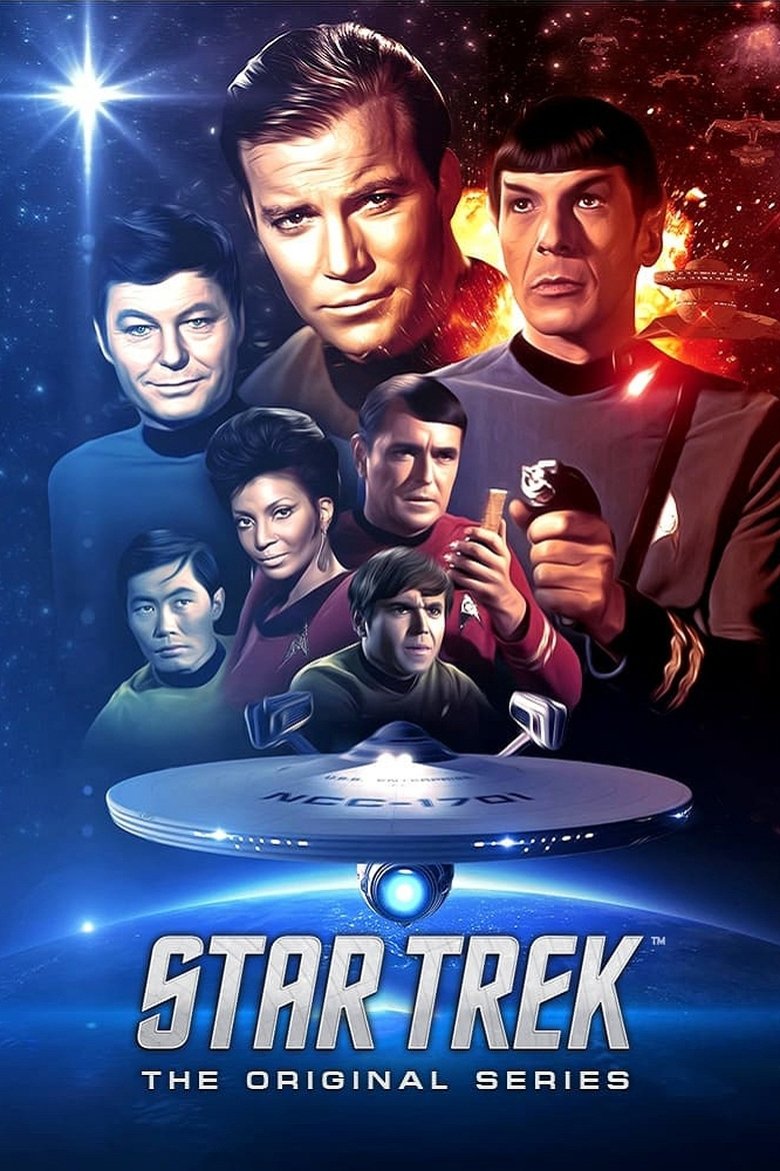
Star Trek (1966)
Captain James T. Kirk leads the Enterprise on a five-year mission to explore the galaxy. The crew encounters new civilizations, Klingons, Romulans, time paradoxes, and other challenges.
Why it works: For classic, self-contained space adventures, this series' episodes can be watched out of order, and reviewers value its imaginative plots and Kirk–Spock–McCoy dynamic. Its mix of peril, humor, and camp is part of the appeal, though episode quality and comedy are uneven in some reviews.
Keep in mind: Reviewers note that the sets and effects can look dated, and some find the show's social outlook dated as well.

Avatar: The Last Airbender (2005)
In a war-torn world of elemental magic, a young boy awakens to undertake a dangerous quest: fulfill his destiny as the Avatar and bring peace to the world.
Why it works: Pick this for a fantasy quest that expands in scope as its characters and story arcs develop. Reviews praise the character work—especially Zuko's journey—and the way the show balances action, comedy, drama, and heavier themes.
Keep in mind: Some viewers find the early season's sillier, child-focused tone harder to get through, and reviews mention occasional filler or pacing dips.

Battlestar Galactica (2003)
In this reimagining, the last remnants of humanity flee pursuing robots aboard a ragtag fleet while searching for their true home, Earth.
Why it works: This is the more compact Battlestar Galactica entry in the selection, presenting humanity's flight from pursuing robots and its search for Earth. Choose it for that focused fugitive-fleet premise; no review observations are available here.
Keep in mind: The catalog describes it as a 2003 miniseries, rather than the longer-running series also listed here.
Explore: 12 Best Shows Like Battlestar Galactica to Watch Next (2026)

Sabrina the Teenage Witch (1996)
On her sixteenth birthday, Sabrina Spellman discovers she has magical powers. She lives with her aunts Hilda and Zelda and Salem, a talking cat, in Westbridge, Massachusetts.
Why it works: Choose this when you want magical situations in a family sitcom setting. Reviews describe the early seasons as warm and funny, and single out Melissa Joan Hart and Salem as comic strengths; the later college-era stories receive more reservations.
Keep in mind: Reviewers say the show loses some creativity as Sabrina moves into college, and opinions differ on the effects and later humor.

PAW Patrol (2013)
Ryder, a tech-savvy boy, leads a team of pups who use their special equipment to help people in trouble and protect their town.
Why it works: For younger viewers, this offers short rescue adventures built around teamwork, cooperation, and problem-solving. Reviews describe its tone as friendly and its peril as manageable for preschoolers, though the rescue-of-the-week formula can feel repetitive to some viewers.
Keep in mind: The simple plots may offer little depth for older audiences, and reviews differ on the animation.

The Challenge (1998)
Reality-TV alumni, entertainers, and first-time cast members live together and compete in physical and mental challenges for cash prizes.
Why it works: Pick this for a competition format that combines shared living with mental and physical challenges. Its premise makes the contestants' performance in the games, rather than travel or a scripted expedition, the center of the adventure.
Keep in mind: No review observations are available here, so the description stays with the stated competition format.

Teenage Mutant Ninja Turtles (1987)
Four turtles are transformed into human-like creatures and trained in ninja skills by Master Splinter. With April O'Neil, they battle Shredder and the alien warlord Krang.
Why it works: Choose this for animated, team-based action with four turtle heroes and a recurring fight against Shredder and Krang. Reviewers describe the show as colorful and lively, with frequent action and playful humor suited to a kid-oriented adventure.
Keep in mind: The stories and jokes are often described as simple or silly, and the series is more lighthearted than the original comics.

The Stand (2020)
After a plague devastates the world, survivors become caught in a struggle between good and evil. Their fate rests with Mother Abagail and the powerful Randall Flagg.
Why it works: This is the bleakest post-apocalyptic option in the guide, built around plague survivors and a supernatural struggle. Reviewers single out Alexander Skarsgård's Flagg, but some find the shifts between past and present disruptive and the characters underdeveloped.
Keep in mind: Graphic gore and the bleak atmosphere put off some viewers; reviewers also criticize the finale and added coda.
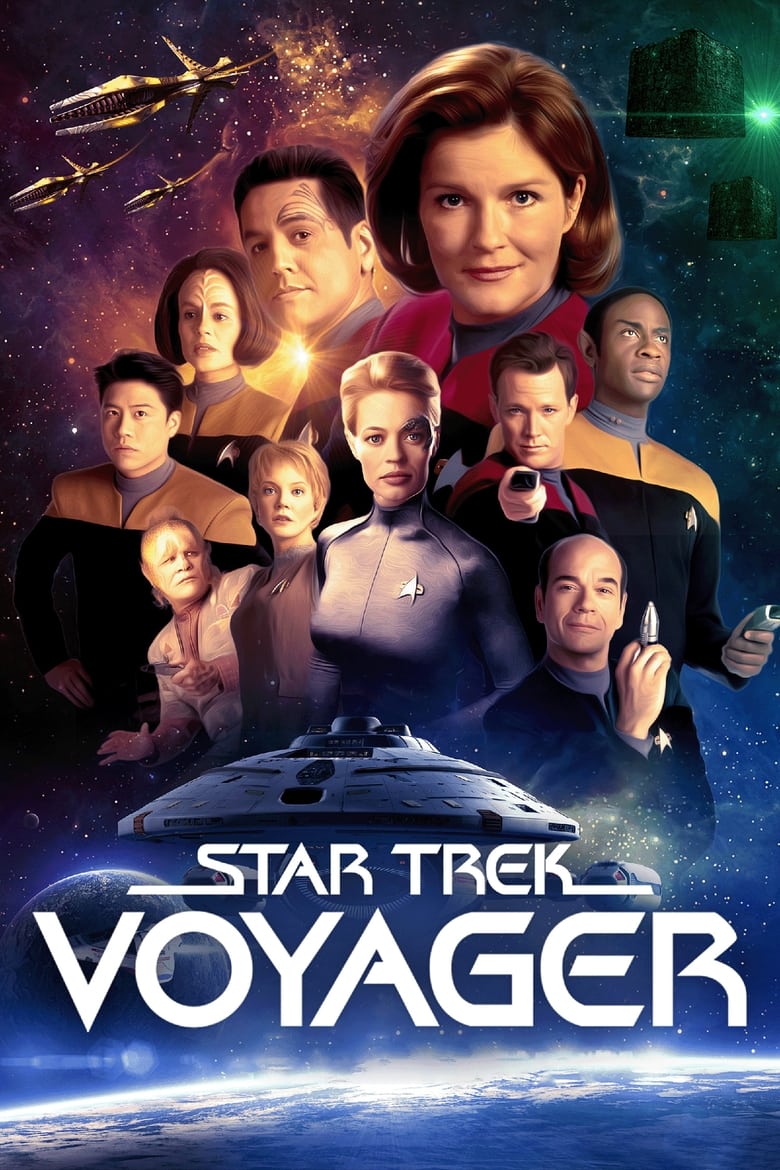
Star Trek: Voyager (1995)
Pulled to the far side of the galaxy, a Starfleet ship must cooperate with Maquis rebels to find a way home, a journey expected to take decades at maximum warp speed.
Why it works: Choose this for a stranded-ship journey through unexplored space, with cooperation between Starfleet crew and Maquis rebels at its core. Reviews praise Kate Mulgrew's Janeway and Robert Picardo's Doctor, while some find the stories repetitive or the crew unevenly developed.
Keep in mind: One review describes a rough first season before stronger pacing, and some reviewers find the voyage's long-term consequences limited.

Star Trek: Deep Space Nine (1993)
Commander Sisko and his crew welcome alien visitors, confront trouble, and solve unexpected problems aboard Deep Space Nine, a station beside a wormhole near Bajor.
Why it works: Unlike a series built around regular voyages, this one stays with a space-station community and its evolving relationships. Reviewers praise its longer character arcs, continuity, ensemble, and more complex treatment of politics, religion, and war.
Keep in mind: Some reviewers find the early seasons slow or unsettled, and the quality can vary between episodes.
Explore: 12 Best Shows Like Star Trek: The Next Generation to Watch Next (2026)
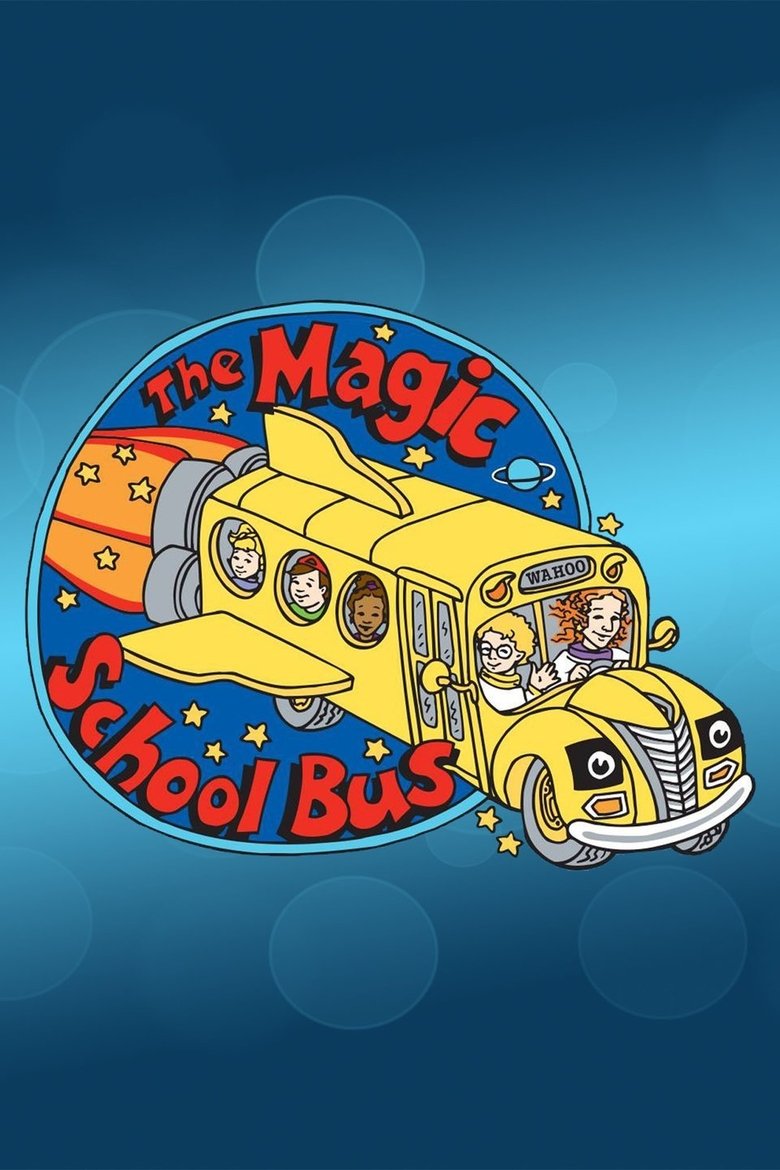
The Magic School Bus (1994)
An eccentric schoolteacher takes her class on educational field trips aboard a magical bus, traveling to unusual places and settings.
Why it works: Choose this for an educational adventure that uses varied destinations to make science approachable. Reviews praise its imaginative trips, clear explanations, bright artwork, and memorable Mrs. Frizzle, while noting that episode quality can be uneven.
Keep in mind: Some reviewers prefer the explanations in the original books or find the series less engaging than other educational programs.
How we chose these picks
Title details and streaming listings come from the WattaWatch catalog. Review-based observations summarize IMDb audience reviews and Rotten Tomatoes critic reviews where available; they do not imply a universal verdict or firsthand viewing. Entries without review evidence describe the title’s premise and catalog facts.